


The building and construction sector, specifically with the development of highly developed designs, needs more insulation of materials, cabling, and coatings that meet flame standards. High applications in infrastructure and user electronics drive constant demand, as there is growing eco-friendly and health awareness, which has led to the move towards environmentally and sustainably flame-retardant choices, with a specific focus on phosphorus-based solutions.
There are growing government compulsions for fire safety in terms of transportation, buildings, and consumer goods, which are the main development drivers, as per the recent growth and development.
By implementing artificial intelligence (AI) designs directly into the simulation, streamlining enabled quicker design updating, such as automatically developing the gate locations, analyzing, and molding results in hours instead of days. The AI optimization Wizard and DOE Wizard are growing by a company named Modex3D, which assists engineers in balancing cycle time, warpage, and flatness, which lowers the dependency on trial-and-error and improves decision-making.
Machines like our Molding Window Advisor serve real-time and AI-driven element suggestions during the mold trials, which fills the gap of ship-floor adjustments and simulation. The smart managers, such as Moldx 3D’s MoldiBot, allow designers to solve problems, automate repetitive simulation work, and operate the characteristics of transformation through natural-language commands.
| Standard | Applies to | Aim |
| CAL 117 (TB 117-2013) | Upholstered Furniture (California Standard) | It concentrates on smolder opposition, which is needed globally. |
| NFPA 701 | Curtains, drapery, and window diagnosis | Make sure the fabric for not develop wrinkles when hanging vertically. |
| ASTM E84 Steiner Tunnel Test) | Ceiling, wall coverings, diagnosis | It rates the materials on the flame spread and smoke growth |
| IMO FTP Code | Marine Vessels | Fire prevention for international maritime vessels |
| FMVSS 302 | Automotive Interiors | Checks the burn rate of materials inside the machine |
| CAN/ULC -S109 | Canada's flame testing standard | Alike to NFPA 701 with strict result ratings. |
All About Flame Retardant Foams: The flame-retardant foams, which have been managed with flame-retardant additives, are present to develop their fore resistance. Such a diagnosis can be completed either during the foam production procedure or after the fact. The flame-retardant additives in terms of FR foams operate by lowering the rate of energy generation or by transforming the foam into a non-combustible state.
Aerospace materials can be of big-value products and excessively adjustable, which are specifically for lithium-ion batteries, components, or composite materials. A little fire incident at the time of transport or storage can lead to major damage, working delays, and financial loss. Fire-resistant corrugated boxes are produced to withstand high temperatures and lower integration to provide an insightful time to react upon the fore suppression systems. They have several advantages, which are listed below:
As the main substrate of printed circuit boards (PCBs), CCL is widely used in complicated sectors like communication bases, new energy vehicles, and industrial control. Hence, CCL experiences several security challenges in actual-world operations. For instance, PCBs in terms of electric vehicles should include 80-120 degrees Celsius high-frequency and heat vibration for a longer time.
Communication base stations should firmly stand with the outdoor conditions, such as snow, rain, and lightning strikes, which pose the risk of short-circuiting.
The industrial control systems run in humid and dusty surroundings, which can cause insulation failures across the electronic machines, leading to machine damage or even the main safety incidents.
Therefore, flame retardancy has become a main demand for CCL materials. In flame-retardant kraft paper for CCL manufacturing, flame retardant highlights are received by adding phosphorous-dependent elements and aluminum hydroxide, and lastly, the synergistic agents with the assistance of procedures like surface coatings and pulp blending.
As the sustainability standards develop, flame-retardant technologies should do more than perform. They should also align with strict regulatory benchmarks and strict environmental rules. Such a shift has updated what is projected of the materials like APP. Regular flame retardants frequently depend on halogenated elements or the melamine-based APPs. As they are effective, such materials have come underdeveloped regulatory scrutiny, specifically in regions such as Europe under the REACH legislation.
Melaine, for instance, is now recognized as a Substance of Very High Concern (SVHC). With respect to this feedback, the sector has been shifting in the direction of more eco-friendly, reliable options. One such growth is the future-generation APP, which tracks fire opposition while lowering the elements of issues like melamine. Such current APPs are managed to:
Flame-retardant fabrics (FR) are textiles that are designed to resist ignition and reduce the spread of fire. Such fabrics can either be treated with flame-retardant chemicals after production or created with fundamentally fire-resistant fibers from the beginning. Their main aim is to delay combustion, lessen the flame spread, and serve as a means of protection during a fire exposure.
The prevalently found flame-retardant fabric needs and demands are theaters and auditoriums, healthcare facilities, commercial seating and furniture, and also schools and universities, government and military contracts, hospitality and hotel interiors, and lastly in public transportation seating too.
To improve safety across industries, flame-retardant packaging plays an important role. Industry is enabled to reduce fire risk and ensure compliance with strict regulations thanks to this packaging. Construction, transportation, aerospace, and electronics are major sectors fueling the demand for flame-retardant packaging, enabling further innovations in flame-retardant materials and technologies for advanced applications in the future.
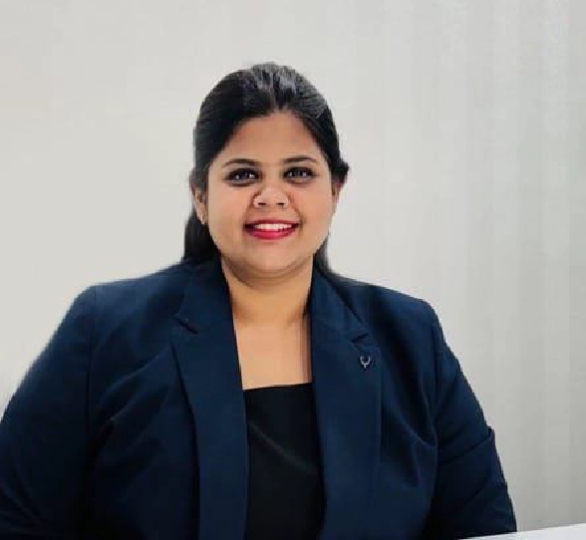
Aditi serves as Vice President at Towards Packaging, bringing over 15 years of experience in market research, innovation, and business strategy within the packaging industry. She works across segments such as sustainable packaging, flexible materials, and industrial packaging solutions. Aditi studies evolving consumer demands, material advancements, and regulatory changes, then turns those insights into clear strategies for businesses. She helps organizations stay competitive, improve product positioning, and respond effectively to shifting market trends.

Aman Singh has spent more than 13 years working in research and consulting, with a strong focus on the global packaging sector. He tracks developments in areas like eco-friendly materials, smart packaging technologies, and supply chain changes. At Towards Packaging, Aman leads the research team and ensures every study delivers accurate and useful insights. He breaks down complex industry developments and helps companies understand where opportunities lie and how to act on them.

Piyush Pawar works as Senior Manager for Sales and Business Growth at Towards Packaging, bringing over a decade of experience in client-facing roles within the packaging industry. He connects businesses with the right research and helps them apply insights to real-world decisions. Piyush understands market challenges and works closely with clients to provide solutions that support growth. He focuses on building strong partnerships and helping companies turn industry knowledge into practical results.
Flame Retardant Packaging Driving Safer and Smarter Industrial Applications


 Request Consultation

