


The innovation in flexible packaging sector is now influenced by a change from multi-layer laminates to enhanced-performance mono-resources and sustainable resistance coatings. These innovations focus to resolve the traditionally opposing focuses of excellent product protection and high recyclability. Current flexible packaging utilizes progressed science to safeguard products from UV light, oxygen, and moisture, without depending on hard-to-recycle several-resource structures. It can offer nearly around 20-fold enhancement in oxygen resistance execution for paper-based packaging. Incorporation of sensors to check freshness and QR codes for customer commitment and traceability is becoming ordinary.
The flexible packaging sector is experiencing a substantial change in 2026, influenced by the demand for huge-performance resistance technologies and sustainable resources. This transformation focuses to balance excellent product safety with decreased carbon footprints, changing from conventional multi-resource laminates to, for instance, mono-material films and progressed coating expertise. Flexible packaging fundamentally utilizes fewer raw resources than rigid substitute, ensuing in lesser energy utilization, fewer releases, and decreased transport charges. Improvements in barrier films, like those that safeguard against UV light, moisture, and oxygen, play an important role in decreasing food waste.
The worldwide flexible packaging industry is experiencing a major revolution. It is influenced by the demand for high-performance, sustainability, and e-commerce, the market is changing from conventional multi-material arrangements toward mono-resources and progressive barrier technologies. Flexible packaging is becoming collaborating, utilizing RFID tags and QR codes for traceability, whereas active packaging incorporates scroungers to enhance food shelf life. It is because of the demand for tailored and shorter period; digital printing is considered as the fastest-growing print process in the industry. Huge demand for pouch packaging with resealable sealing, spouts, and easy-slit notches to manage shipping rigors and enhance consumer experience. The transformation in flexible packaging centres on attaining enhanced barrier performance (inhibiting moisture and oxygen ingress) without utilizing traditional aluminum foil, that restrict recyclability. Improvements on clear films offer barrier possessions that attempt the accomplishment of foil. Innovative Ethylene Vinyl Alcohol (EVOH) resins are progressively utilized in several layer films for improved oxygen resistance properties in food packaging sector.
The flexible packaging change is presently defined by a switch from complicated, multi-resource laminates to sustainable mono-resource arrangements that preserve enhanced-performance safeguard. The rising focus on improving the barrier properties of recyclable resources such as Polypropylene (PP) and Polyethylene (PE) utilizing progressed coatings and nanotechnology to challenge conventional aluminum foil. Traditional packaging frequently utilizes aluminum foil or several-layered plastics that are tough to recycle. These are switching solvent-based substitutions for plastic and paper, offering grease and oil barrier whereas keeping resources repulpable or compostable. Integrating metallic oxide nanoparticles or nano-clays into films produces a "tortuous path" that notably slows down moisture and gas permeation. Resources extracted from cellulose nanofibrils (CNF), seaweed, or mycelium are being manufactured with self-accumulating multi-constructions to represent natural nacre, providing sustainable substitute to petroleum-based films.
The flexible packaging sector is shifting from enhanced-performance, complicated multi-layer assemblies to functional, sustainable, and circular resources that do not compromise shelf life. Affecting a single, extremely thin layer of silicon oxide or aluminum oxide is substituting traditional aluminum foil, offering excellent clarity moisture and oxygen resistances. Water-based resistance coatings and bio-polymers are undergoing high development, offering sustainable substitute that are well-suited with recycling streams. Biaxially oriented polypropylene (BOPP) mixtures are gaining adhesion for dry food and snack usage, substituting PE/PET laminates. The sector is accepting solvent-free protecting adhesives to eradicate volatile organic compounds (VOCs) and improve the recyclability of improvised pouches. Enhanced vacuum statement procedures permit for rapid, more energy-effectual manufacturing of clear enhanced-barrier films, suitable for temperature-sensitive bio-based polymers.
The flexible packaging sector is shifting from a emphasize exclusively on suitability to a circular economy prototypical that balances enhance-performance resistance technology with ecological sustainability. Major trends comprise the rapid acceptance of mono-resource structures, progressed barrier films, and a transformation in customer perception to appreciating both recyclability and decreased resource waste. Improvements are engrossed on generating films that are both enhanced-barrier defending against moisture and oxygen and recyclable, overwhelming the conventional limitations of multi-resource laminates. Enhanced-performance nano-coatings are being functional to enhance moisture and oxygen barrier without cooperating recyclability. Rapid acceptance of these technologies is tackling supervisory needs for decreased volatile organic compounds. Amplified utilization of resources such as biopolymer and PLA (polylactic acid) films offers substitutes to traditional plastic films. Flexible packaging is favoured for its "lightweight" property compared to rigid vessels, which results in lesser carbon releases during shipping. Incorporation of RFID and QR codes for the actual time tracking, integrity checks, and enhanced traceability for recycling. Cardboard and paper are frequently professed as more sustainable than plastic coatings by customers. Consumers are progressively worried about packaging leaking into the situation, arranging recyclability and plastic waste decrease.
The change from complicated multi-resource laminates such as PET/PE/Aluminum to mono-PP and mono-PE structures permits 100% recyclability without sacrificing protecting qualities. Nanotechnology is allowing thinner, more operative resistance, decreasing complete resource consumption. Paper-based options are becoming more prevalent, utilizing engineered, biodegradable resistance to substitute plastic in retail and food-to-go packaging. Development in resources influenced from cellulose waste, algae, and fungal mycelium, providing completely biodegradable choices. Integrating of digital watermarks and QR codes to improve customer interface and accelerate recycling/sorting. While sustainable resources can have an elevated initial charge, they moderate risks and future charges linked with EPR (Extended Producer Responsibility) laws and packaging charges.
Major advancements centre on resources simplification, bio-based resistance films, and digital intellect to obey with looming regulatory changes. The sector is shifting away from traditional, solid-to-recycle multi-resource laminates such as PE/PET/Alu toward mono-resource structures that deliver similar safeguard. Developments in resistance coatings for flexible packaging are anticipated to develop significantly. Resources such as polyhydroxyalkanoates (PHA) films are gaining pull as alternatives for offering bio-based, PFAs in food-contact paper, compostable resistance choices. It used in coatings to generate excellent antimicrobial and resistance coatings, encompassing product shelf-life. Integration of NFC/RFID and collaborative QR codes for, traceability and actual time freshness checking is rising. The FDA is emphasizing on the security of food-contact substances, comprising a post-market security review of chemicals such as butylated hydroxyanisole (BHA).
The flexible packaging revolution is influenced by the requirement for circularity, shifting from conventional multi-resource, non-recyclable arrangements to enhance-performance mono-resources. Developments in barrier technology, precisely in polyolefin films (PP and PE), now permit for enhanced-resistance performing comparable to aluminum coating while remaining completely recyclable. New resources can resist enhanced-heat processing and retort, allowing flexible packaging to replace metal cans for coffee, wet pet food, and ready-meals. Enhanced acceptance of solvent-free and water-based functional films, which provide enhanced grease and moisture barrier without reducing recyclability.
Amcor generated an enhanced-barrier, polyolefin-based, metal-free pouch that can be utilized for high-heat retort usages. A heat-barrier, enhanced-speed, recycle-ready option planned precisely for the dairy sector. Enhanced utility of mechanically or chemically recycled resource such as Amcor’s Sustane® in food and non-food grade packaging. Rising usage of QR codes and digital watermarks for tracking, traceability, and customer supervision on recycling. The AmPrima® portfolio provide consumers with a packaging option planned to be recycled, if dry and clean, via enduring store drop-offs or curbside where accessible. The portfolio is planned to fulfil customers’ individual needs against several performance standards, like strength and stiffness, transparency, line speeds, fitment needs, graphics and print textures.
Many liquid items that are packaged in spurted pouches need oxygen and moisture barriers to protect the content. Extremely durable and repeatable hermetic closures along the pouch boundaries and addition seal are needed to offer a safe and necessary end-user involvement. Amcor Flexibles has established an advanced enhanced-barrier flexible film that offers excellent heat barrier and is a more sustainable substitute to standard metalized or foil-based assemblies.
Mondi Group has raised as a universal leader in sustainable packaging invention via its progressed resistance coating technologies. As sectors progressively looking enhanced-performance and recyclable packaging options, Mondi has grown a variety of mono-resource and paper-based barrier coatings that mix product safety and circular economy guidelines. These inventions have won several recognitions for technological progression and international awards, sustainability, and recyclability.
The flexible packaging sector has conventionally depended on several layers coatings produced from mixture of aluminum, platics, and various other resources to attain enhanced barrier properties. These packaging form offer superior protection against light, oxygen, grease, and moisture to enhance the shelf life for consumer products and food. Moreover, several layer structures are tough to recycle due to the resources cannot easily be distinguish through waste processing.
Rising ecological concerns, consumer demand, and strict guidelines for sustainable packaging have fuelled packaging sectors towards recyclable mono-resource options. Its innovative approach is built across its “EcoSolutions” plan that emphasize on planning packaging options that are sustainable by pattern while preserving operational performance. The industry has grown many progressed barrier coating technologies. These innovative patterns support in decreasing plastic waste, enhance recyclability, and lesser carbon releases without negotiating product quality or shelf life.
The major successful invention is BarrierPack Recyclable, an entire polyethylene mono-resource flexible packaging option. Unlike traditional multilayer coatings, the packaging utilizes a mono-material family that is making it swifter to recycle withing current polyethylene recycling streams. The innovation offers enhanced moisture and oxygen resistance while remaining flexible and lightweight. It is ideal for pet food, stand-up pouches, household products, and food packaging. The packaging works on current production lines, enabling brands to accept the option without huge machinery fundings.
The flexible packaging uprising is being fronted by its CRYOVAC® and Sealed Air (SEE) brand through "system-level" inventions that incorporated progressed barrier science with computerized machinery. These advancements emphasis on ultra-thin, recycle-ready resources that suggestively enhance shelf life while decreasing carbon footprints. Cryovac films now progressively integrate digital triggers such as time-temperature indicators (TTIs) and QR codes for actual time quality observing and customer engagement. These progressive vacuum technologies, such as Simple Steps®, capture flavour at the "moment of plating," encompassing shelf life to decrease retail decay and food waste. Darfresh® on Tray packaging functions around 40% faster than standard skin equipment, extending speeds of up to 100 packages every minute while eradicating film scrap. Processors are progressively emphasizing on how packing behaves on automated lines and its influence on consistency, stability, and competence at scale, Sealed Air says. The altering importance influence interest in incorporated advances where resources and equipment are planned to work collectively. Packaging techniques that help stable processes can also support sustain throughput while decreasing disruptions associated to start-stop procedures and manual involvement, according to Sealed Air. This is mainly significant at producing sites with imperfect labor accessibility, where stoppage is more charges.
AI-Influenced Resource Growth
Artificial intelligence is progressively being utilized to plan recyclable polymers and enhance packaging presentation. Current research highlights on hoe artificial intelligence assisted polymer pattern could accelerate the discovery of sustainable packaging resources with robust resistance properties and enhanced recyclability. Solvent-base recycling and chemical recycling technologies may enhance recovery of flexible packaging resources in the future. Fiber-based barriers and paper-flexible hybrids are anticipated to develop quickly as brands look for reduction of plastics.
The flexible packaging sector is experiencing transformative periods in the history. Resource science progression and barrier technology are redefining how goods are recycled, transported, protected, and marketed. From high-resistance films and mono-material recyclable coatings and AI-influenced resource invention, flexible packaging is transforming far beyond its conventional role. The emphasize has changed for balancing performance, circular economy focus, convenient, and sustainable packaging. As customer expectations and ecological guidelines continuously growing, flexible packaging will continue to a crucial influencer of current production retail, and sustainable goods delivery process.
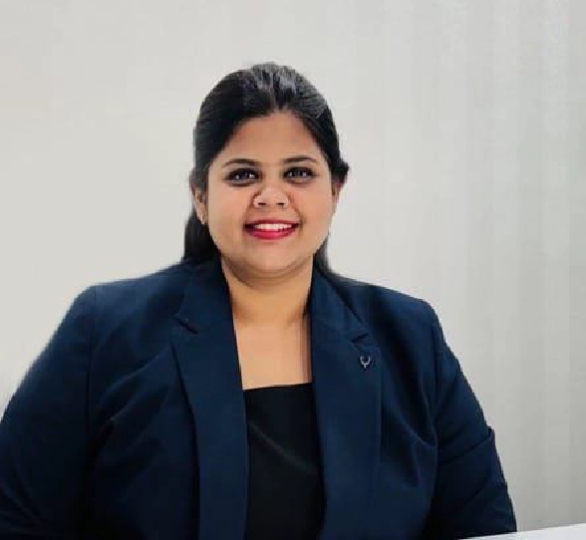
Aditi serves as Vice President at Towards Packaging, bringing over 15 years of experience in market research, innovation, and business strategy within the packaging industry. She works across segments such as sustainable packaging, flexible materials, and industrial packaging solutions. Aditi studies evolving consumer demands, material advancements, and regulatory changes, then turns those insights into clear strategies for businesses. She helps organizations stay competitive, improve product positioning, and respond effectively to shifting market trends.

Aman Singh has spent more than 13 years working in research and consulting, with a strong focus on the global packaging sector. He tracks developments in areas like eco-friendly materials, smart packaging technologies, and supply chain changes. At Towards Packaging, Aman leads the research team and ensures every study delivers accurate and useful insights. He breaks down complex industry developments and helps companies understand where opportunities lie and how to act on them.

Piyush Pawar works as Senior Manager for Sales and Business Growth at Towards Packaging, bringing over a decade of experience in client-facing roles within the packaging industry. He connects businesses with the right research and helps them apply insights to real-world decisions. Piyush understands market challenges and works closely with clients to provide solutions that support growth. He focuses on building strong partnerships and helping companies turn industry knowledge into practical results.
Flexible Packaging Transformation Driven by Barrier Technology and Sustainable Materials


 Request Consultation

