


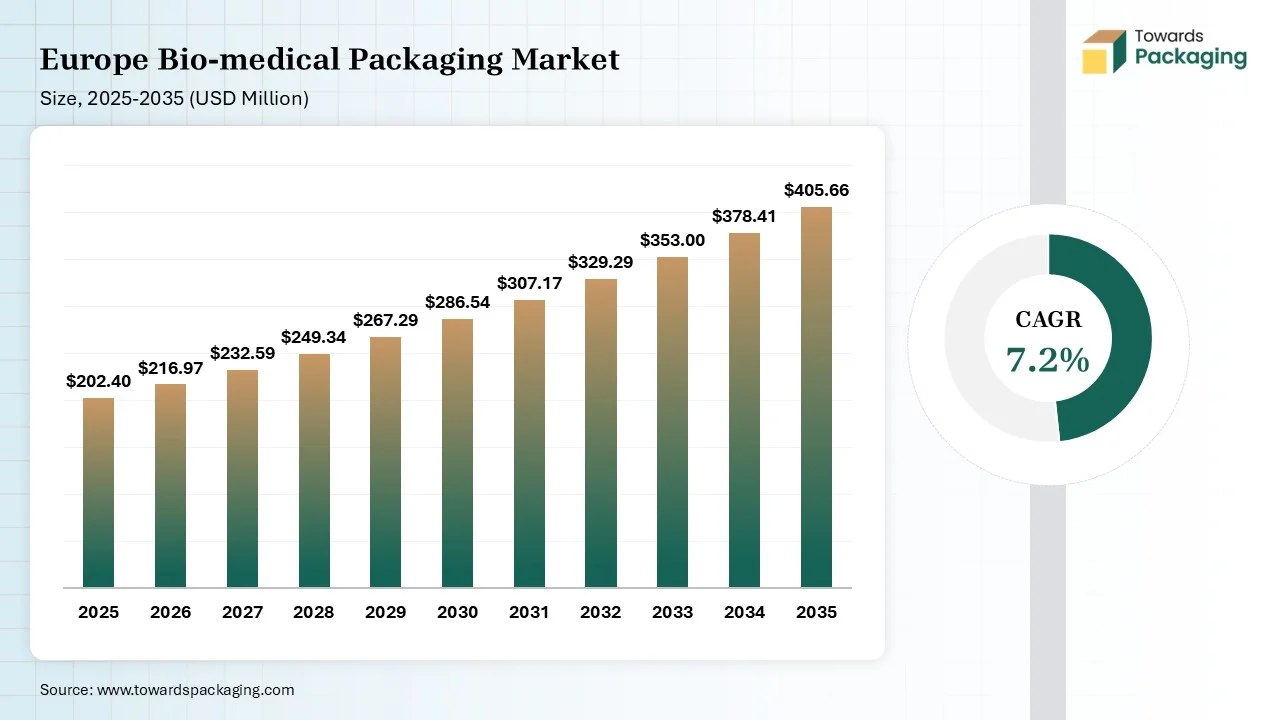
According to Vidyesh Swar, who specializes in bio-medical packaging, bio-based packaging, and the packaging industry. The Europe bio-medical packaging market size was estimated at USD 202.4 million in 2025 and is expected to grow with a CAGR of 7.2% during 2025-2035. The market is forecasted to reach approximately $405.7 to $407.7 million by 2035. The market's major drivers are long-term health treatments, advancements in drug formulations, integration of anti-counterfeit labels, and the need for stringent sterile barriers. Top companies like Amcor plc, Schott Pharma AG, Constantia Flexibles, and Gerresheimer AG support the growth.
Bio-medical packaging is a specific type of packaging material that is used to maintain safety and protect medical devices and pharmaceuticals. Key functions are sterility maintenance, high safety, barrier protection, and traceability. Common materials like polymers, Tyvek, aluminum foil, medical paper, and Type I borosilicate glass used in bio-medical packaging. It offers benefits like infection control, clear identification of products, drug integrity, easy organization, and temperature control. Common examples are biohazard bags, sterile bio-pouches, specimen pouches, and bio-bottles. Bio-medical packaging is widely used in medical devices, biotechnology, pharmaceuticals, and diagnostics.
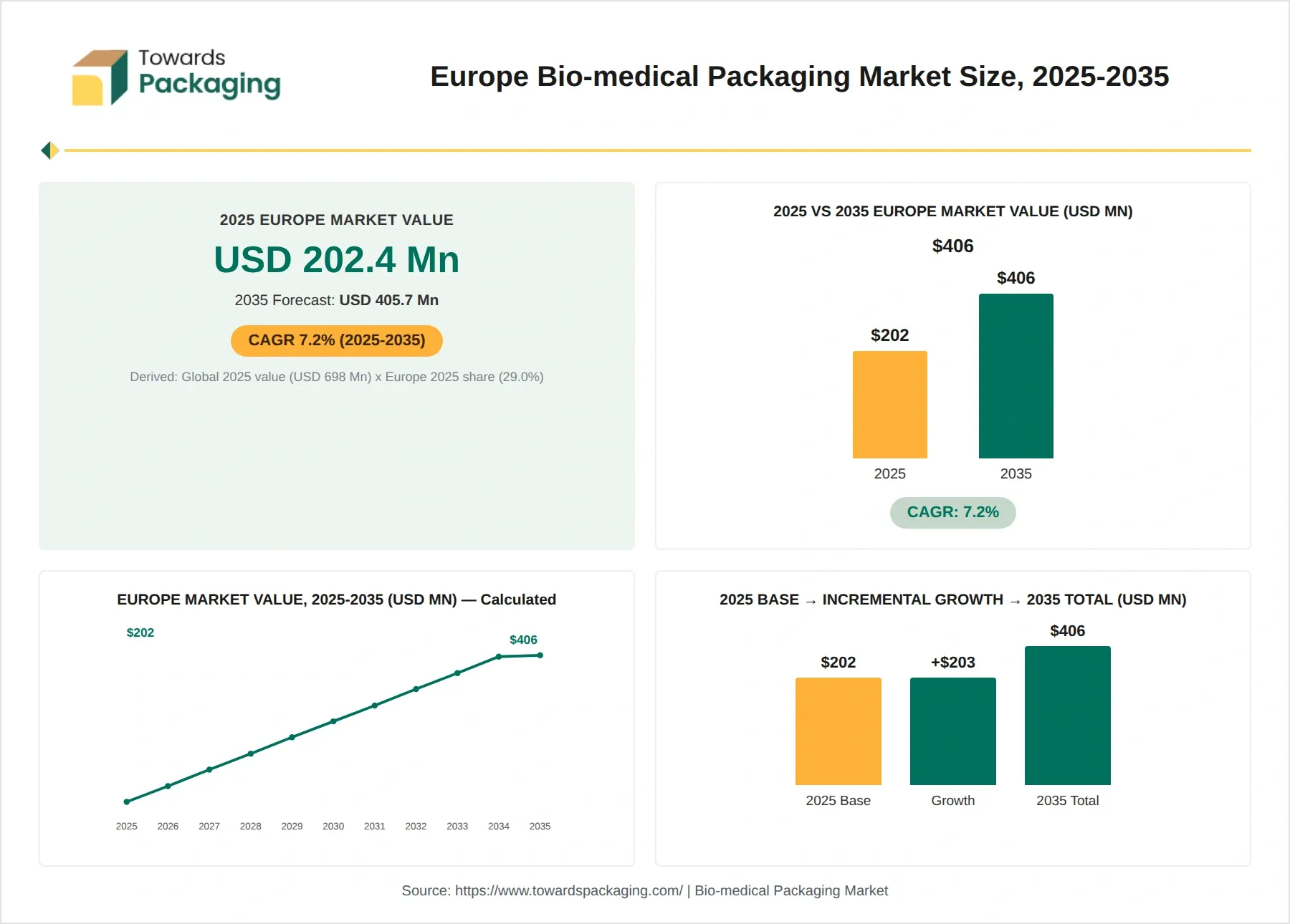
The Europe bio-medical packaging market size reached USD 202.4 million in 2025 and is expected to grow at a 7.2% CAGR during the forecast period. Factors like EU sustainability regulations, biologics surge, infection control focus, home healthcare growth, innovative active coatings, aging European populations, stringent anti-counterfeiting mandates, and chronic disease patients drive the market growth. Companies like Amcor plc, SCHOTT AG, Alpla Group, and Gerresheimer AG are major contributors in 2025. The market is predicted to reach approximately $405.7 to 407.7 M. The incremental growth value of the market is $203M. Drivers like sustainable materials integration, dependence on cold chain, higher home care demand, growing digitization across pharmaceuticals, aging demographics, and the preference for temperature-sensitive cell therapies will help drive growth. Companies like Gerresheimer AG, Mondi plc, Constantia Flexibles, Amcor plc, and Schott Pharma will develop innovative bio-medical packaging solutions.
Europe held the second-largest share of 29% in the global bio-medical packaging market. Factors like European Medicines Agency regulations, growing private healthcare spending, eco-conscious mandates, strong manufacturing of medical tools, rising chronic conditions, and the explosion of smart digital labeling drive the overall growth. Europe is predicted to hold a 28% share in the global bio-medical packaging market by 2035 and is expected to grow at a 7.2% CAGR during the forecast period. The focus on circular economy principles, surge in advanced biologic drugs, expansion of self-administered therapies, developed medical infrastructure, and rise in safety cartridges will support the growth.
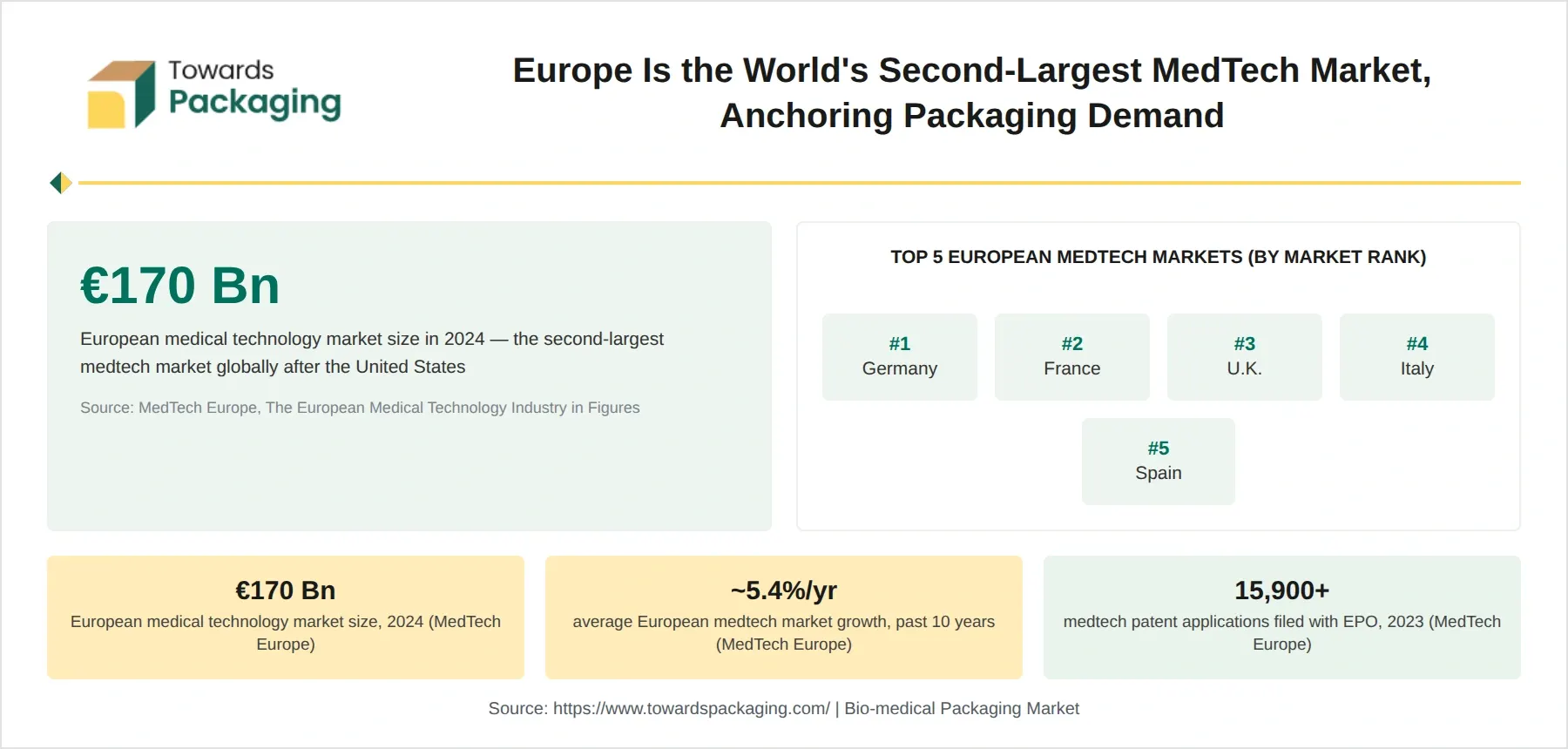
Europe medtech market size was estimated at €170 billion in 2024. Factors like a growing population of 65-and-older, high surgical procedure volumes, availability of electronic health records, high patient rates, focus on chronic disease management, and investment in manufacturing capabilities drive the growth of the Europe medtech market. Germany is the top contributor in the market. Key drivers for Germany are high-quality manufacturing, the rise in digital medical devices, and Germany’s Digital Health Act regulations. France, the United Kingdom, Italy, and Spain come in the top 5 of Europe medtech market. The market grew by approximately 5.4% in the past 10 years. Total EPO patent applications are 15900+ in 2023. The Europe medtech market trends are R&D investment, an aging population, and AI integration.
Source: MedTech Europe, The European Medical Technology Industry in Figures
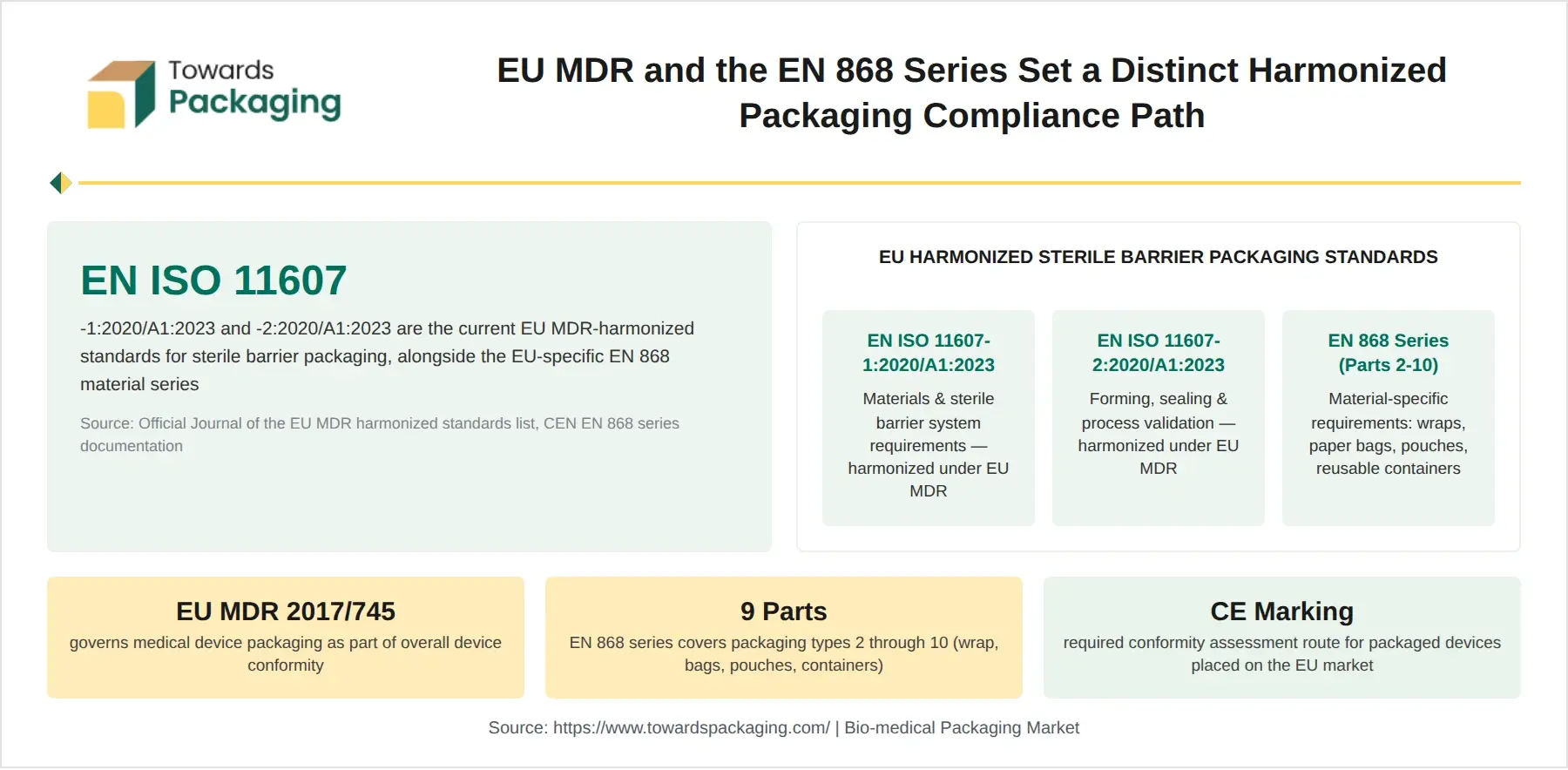
EN ISO 11607 is a regulatory standard developed for sterile barrier packaging. The regulation is divided into ISO 11607 part-1 and ISO 11607- 2. ISO 11607-1 focuses on complete packaging and sterile barrier packaging. ISO 11607-2 focuses on process validation, such as assembly, sealing, and forming. The key requirements of EN ISO 11607 are performance testing, regulatory harmonization, SBS, and process validation. EU MDR 2017/745 focuses on medical device sales, medical device safety, and clinical evaluation in the EU. EN 868 Series verifies packaging materials. EN 868 Series tests paper bags, reusable containers, wraps, and pouches. EN 868 Series works along with EN ISO 11607-1.
Source: Official Journal of the EU MDR harmonized standards list; CEN EN 868 series documentation
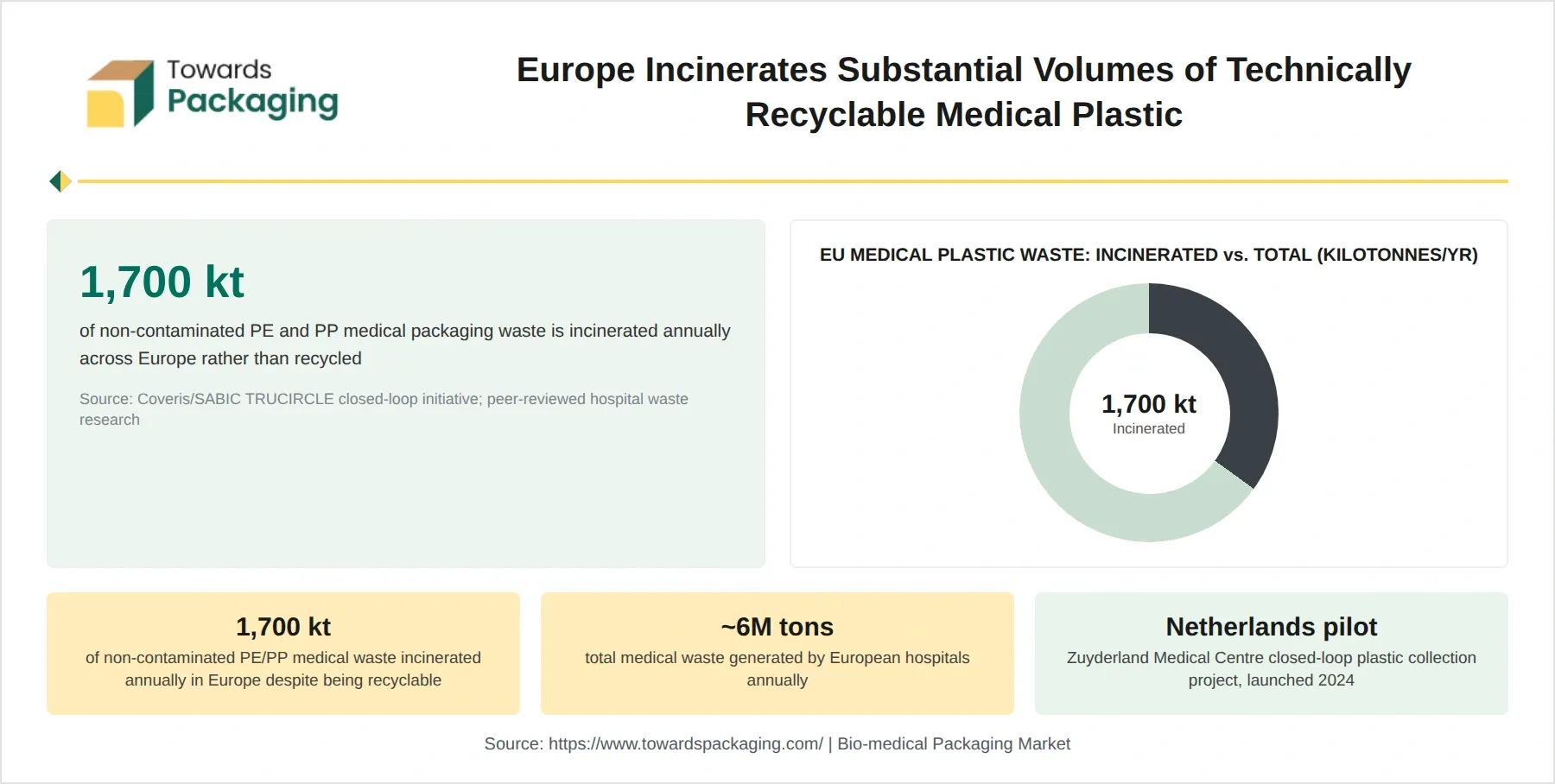
Europe carbonizes 1700 kilotonnes of non-contaminated PP and PE medical packaging waste annually. European hospitals generate approximately 6M tons of medical waste annually. Europe generates waste from items like blister packs, medical packaging, IV tubes, single-use surgical instruments, gloves, infusion bags, and syringes. Coveris collaborates with Artivion, SABIC, and Zuyderland Medical Centre to launch SABIC’s TRUECIRCLE initiative. The initiative converts hospital waste into contact-sensitive packaging. Zuyderland Medical Centre launched a waste collection project in the Netherlands in 2024. The project converts non-contaminated waste into certified circular PE.
Source: Coveris/SABIC TRUCIRCLE closed-loop initiative; peer-reviewed hospital waste research (NCBI/PMC)
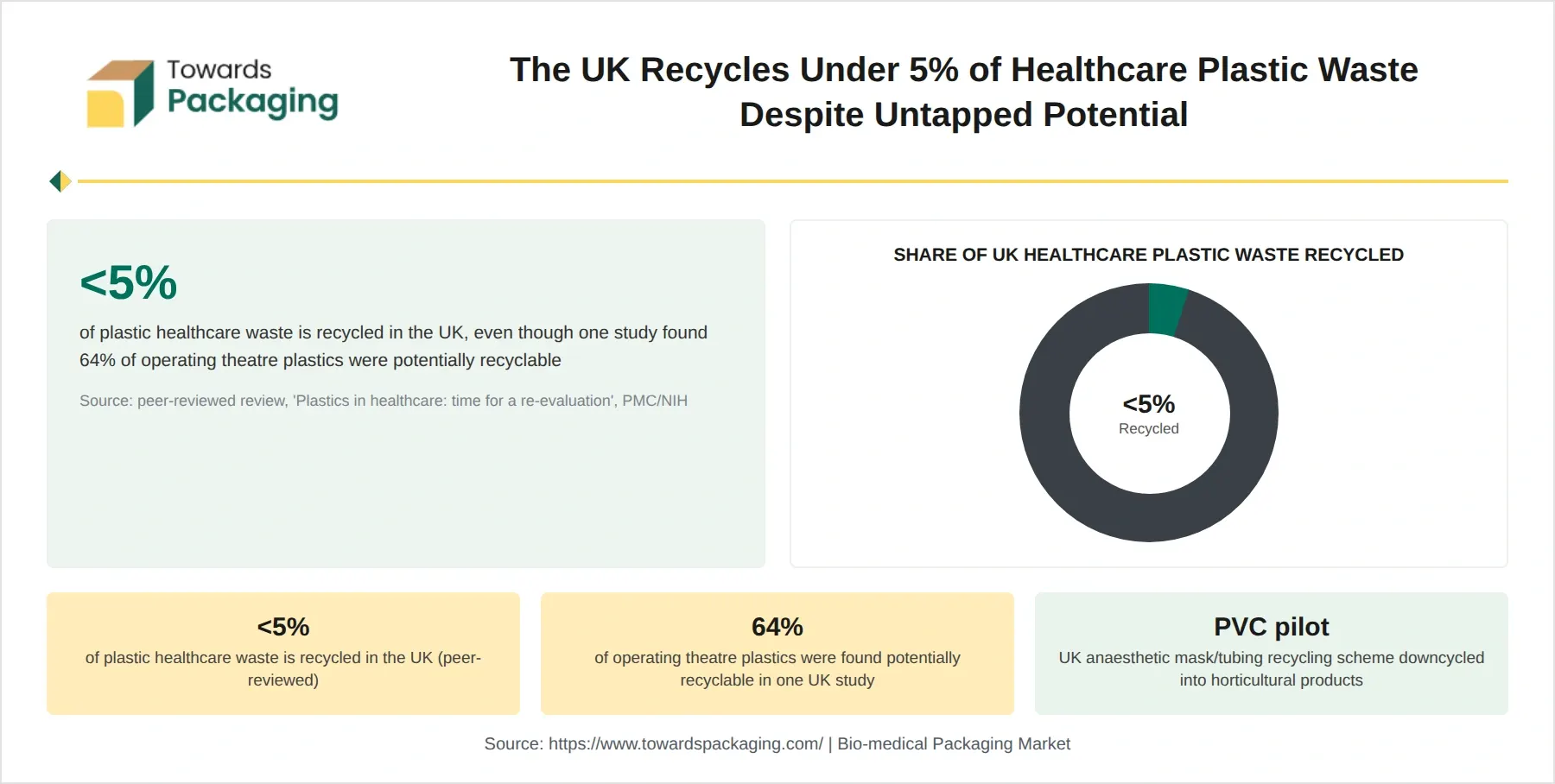
UK recycles <5% of healthcare plastic waste. A total of 64% of operational recyclable plastic centers are present across the United Kingdom. The current challenges in plastic recycling are misclassification of plastic, high volume of healthcare waste, and contaminated items. UK has implemented key initiatives like NHS Net Zero targets, RecoMed, and Sterimelt Technology for waste reduction. Healthcare items like plastic tubing and anaesthetic masks are recycled in the UK and downcycled into agricultural and horticultural products. The process includes collection of items, regulatory compliance, thermal sanitisation, granulation, and final product manufacturing. It offers benefits like a low carbon footprint, waste reductions, and cost savings.
Source: Peer-reviewed study, 'Plastics in healthcare: time for a re-evaluation', PMC/NIH
The population aged above 60 was 1billion globally in 2020 and is projected to reach 2.1 billion by 2050. The prevalence of non-communicable diseases caused approximately 80% of deaths in the European Union. This increases demand for medical devices and safe packaging. In the United Kingdom, 10.9% of GDP was spent on healthcare in 2023. A total of 5- 12% of share required for healthcare in Europe. The primary reasons for death are cancer, diabetes, cardiovascular disease, and chronic respiratory diseases.
Source: European Commission; UK Office for National Statistics; United Nations population projections
According to FDA GUDID, approximately 40% of total medical devices use sterile packaging. The sterility requirements include data transparency, sterile labeling attributes, and a sterilization method flag. EN ISO 11607 includes two parts. The regulation is designed for terminally sterilized medical device packaging. EN ISO 11607 Part 1 focuses on testing physical protection, microbial barriers, and shelf-life. EN ISO 11607 Part 2 focuses on testing consistency, forming, and sealing. The key objectives of EN ISO 11607 are risk management, aseptic presentation, and sterilization compatibility.
Source: U.S. FDA GUDID data, cited in American Journal of Infection Control (2023) - global figure
In 2024, Europe launched its first closed-loop medical packaging project. The closed-loop pilot converts non-contaminated plastic waste from hospitals into new sterile packaging. Coveris teamed up with SABIC to introduce a closed-loop program, TRUECIRCLE. The collaboration transforms hospital plastic waste into sterile packaging. The conversion of hospital waste into new packaging uses pyrolysis oil feedstock. Zuyderland Medical Centre developed a new collection centre for segregated non-contaminated plastic waste. The new centre supports the closed-loop pilot project. European NGO HCWH, founded in 2003, converts the healthcare industry into a circular healthcare industry. The NGO focuses on sustainable healthcare development. It works on areas like climate-smart healthcare, safer pharma, safer chemicals, and circular healthcare. Green Deal targets and EU frameworks speeds us developments in hospital-level plastic segregation.
Source: Coveris GmbH company disclosure; Health Care Without Harm (HCWH) Europe
Source: Towards Packaging Database
| Country | Growth Factors | Leading Players |
| Germany |
The demand for contamination-controlled packaging in healthcare and the local pharma industry increases the use of bio-medical packaging. The rise in recyclable medical polymers and expansion of digital anti-counterfeiting help with expansion. |
Klockner Pentaplast Group, Gerreshiemer AG, Schott Pharma |
| United Kingdom |
The strong UK healthcare industry and advancements in patient-specific therapies increase the use of bio-medical packaging. The rise in regular surgical interventions and growth in diagnostic kits drive growth. |
Medica Packaging, Adelphi Healthcare Packaging, Origin Pharma Packaging |
| France | Rise in complex biotechnology drugs and the preference for prefilled syringes increases use of bio-medical packaging. Manufacturing of critical medical supplies and burgeoning surgical procedures boost the growth. |
STERIMED Infection Control, SGH Healthcaring, SGD Pharma |
| Italy |
The collaborative environment for life sciences and exploding biotech sectors increases the use of bio-medical packaging. The massive drug production facilities help with the growth. |
Bormioli Pharma S.p.A. IMA Group, Palladio Group |
| Spain |
The high operational pharmaceutical manufacturing base and expanded biosimilars increase adoption of bio-medical packaging. The advanced drug delivery infrastructure boosts growth. |
ITC Packaging, Ulma Packaging, Quadpack |
| Netherlands |
Expansion of sensitive medical goods and strong clinical research organizations increases use of bio-medical packaging. Strong R&D in Pharming and Abbott supports the growth. |
Trivium Packaging, DaklaPack Europe, Tjoapack |
| Switzerland |
The strong cluster of biotech hubs and transition to monoclonal antibodies increases use of bio-medical packaging. The demand for sterile vials and advancements in parenteral delivery boost the growth. |
Amcor plc, Medipack AG, Ypsomed |
Source: Towards Packaging Database
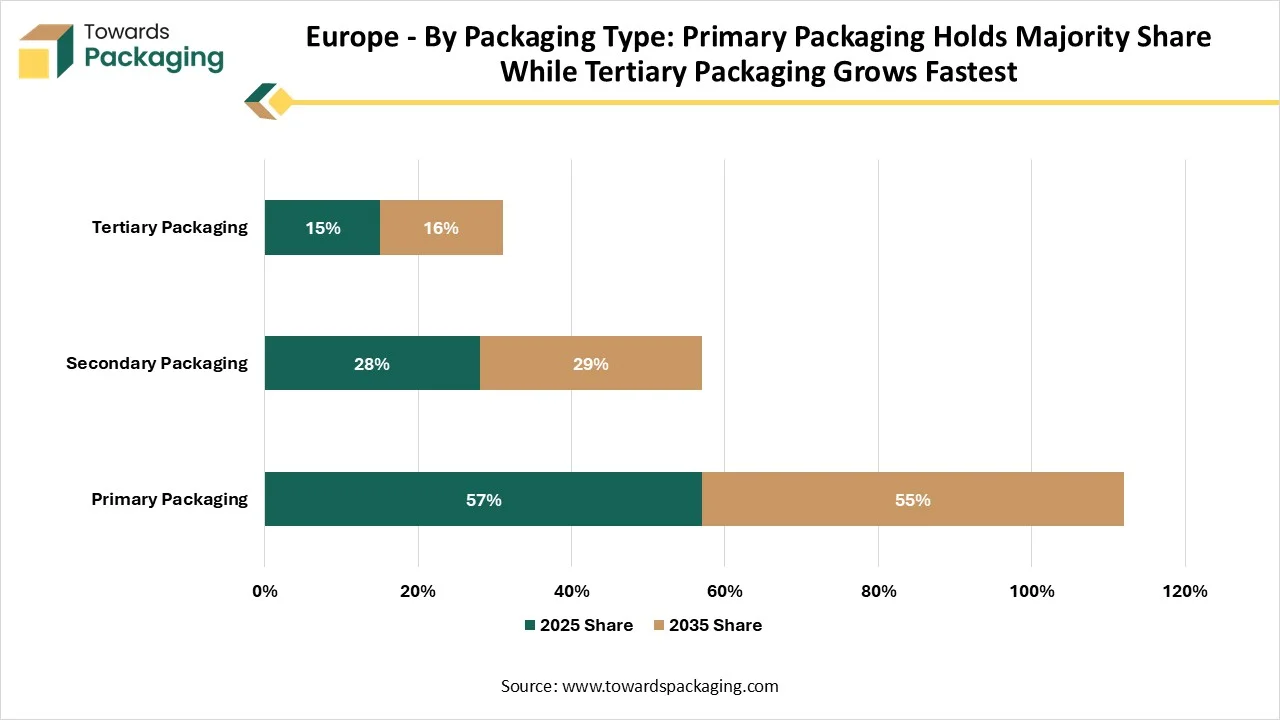
Primary packaging dominated the Europe bio-medical packaging market with a 57% share in 2025. The focus on the safety of bio-medicines and the need to shield injectables increases the use of primary packaging. The expansion of complex biologic therapies and the rise in patient-centric delivery increase the use of primary packaging. The demand for direct contamination defense drives the growth. Secondary packaging held a 28% share in the market in 2025. Regulations like the EU Falsified Medicines Directive and a surge in delicate biologic drugs increase the use of secondary packaging. The expansion of self-administered medical treatments and integration of serialized barcodes support the growth. Tertiary packaging is expected to grow with the fastest CAGR of 8.4% during the forecast period. The explosion of temperature-sensitive vaccines and unique device identification regulations increases the use of tertiary packaging. The rise in decentralized patient care and the growth in pre-filled syringes increase adoption of tertiary packaging. The surge in orthopedic implants boosts the growth.
Source: Towards Packaging Database
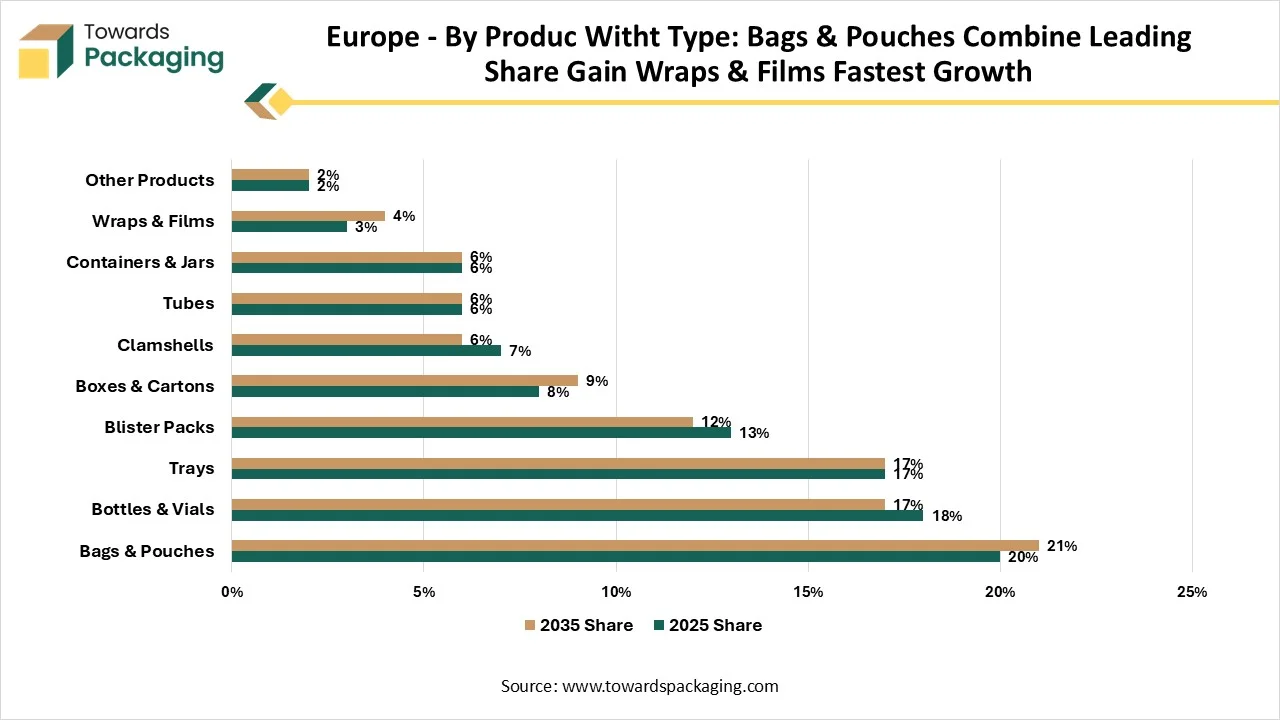
Bags & pouches dominated the Europe bio-medical packaging industry with 20% in 2025. The demand for robust microbial barriers and diverse shapes of medical tools increases the use of bags & pouches. The expansion of disposable clinical supplies and the need to maintain the integrity of bio-medical devices increase the use of bags & pouches. Bottles & vials held an 18% share in the market in 2025. The commercial growth in complex biologic drugs and the presence of the European Medicines Agency increase the use of bottles & vials. An aging population in Eastern Europe and the rise in at-home therapeutic injections increase the use of bottles & vials. Wraps & films are expected to grow with the fastest CAGR of 10.3% during the forecast period. The robust pharmaceutical standards and the rise in moisture-sensitive personalized medicines increase the use of wraps & films. The demand for pre-filled medications for home-based care and cold-chain healthcare growth increases the use of wraps & films.
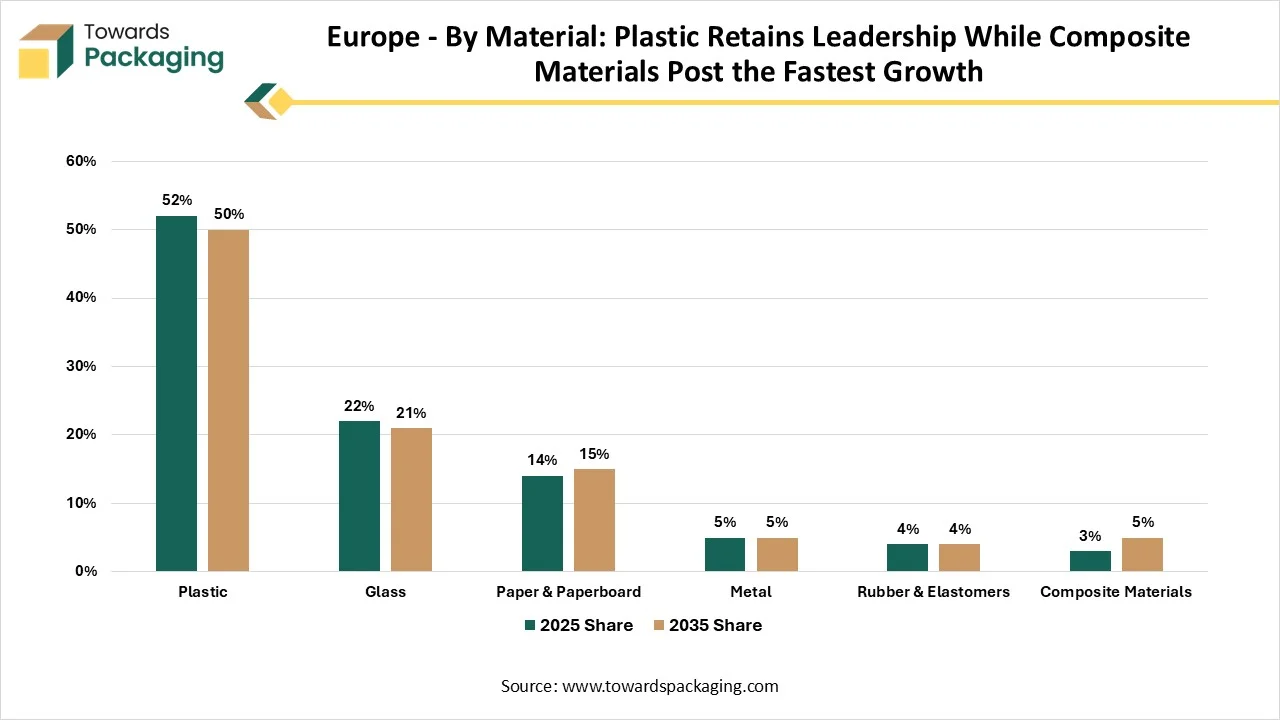
Plastic held the dominant position with a 52% share in the Europe bio-medical packaging market in 2025. The focus on bacterial protection of medical devices and the need for sterilization compatibility increase the use of plastic. Prevention of drug interactions and focus on the affordability of single-use medical items increase adoption of plastic. The growing plastic use in IV bags and prefilled syringes drives the growth. Glass held a 22% share in the market in 2025. The prevention of chemical interactions in complex therapeutics and the interest in injectable formats increase the use of glass. The strong biopharmaceutical manufacturing and expansion of pre-filled glass syringes boost the growth. Composite materials are expected to grow with the fastest CAGR of 1.4% in the market during the forecast period. The demand for sterile barrier systems and the focus on minimizing medical shipments' weight increase the use of composite materials. The high thermal stability, better sterilization, and high bacterial safety of composite materials support the growth.
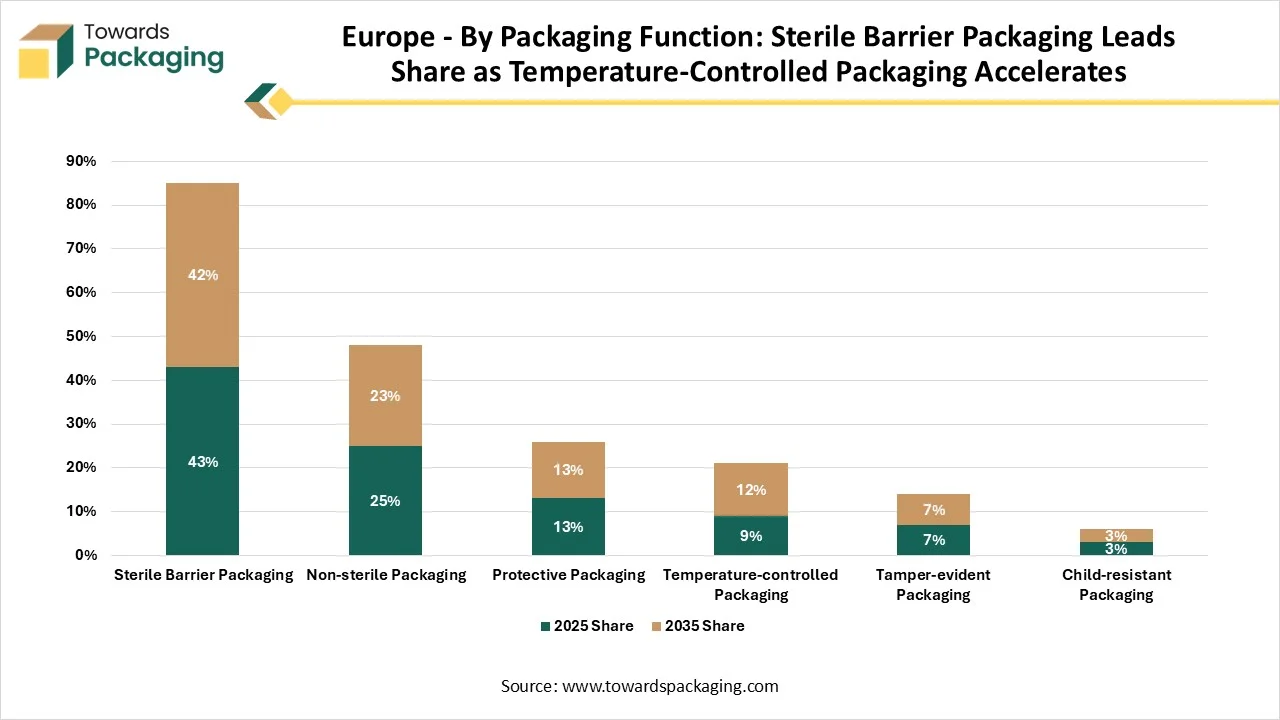
Sterile barrier packaging dominated the Europe bio-medical packaging industry with a 43% share in 2025. The focus on microbial integrity of medications and the growing clinical dependence on catheters increase the use of sterile barrier packaging. Expansion of clinical care networks and high demand for cardiovascular devices increase the use of sterile barrier packaging. Non-sterile packaging held a 25% share in the market in 2025. The rise in testing components and the interest in hospital durable goods increase the use of non-sterile packaging. The growing interest in blood collection tools and management of chronic conditions increases the use of non-sterile packaging. Temperature-controlled packaging is expected to grow at an 11.2% CAGR in the market during the forecast period. The high dependence on temperature-sensitive biopharmaceuticals and focus on continuous temperature tracking increases demand for temperature-controlled packaging. The rise in temperature-sensitive gene therapies and the rise in direct-to-patient deliveries boost the growth.
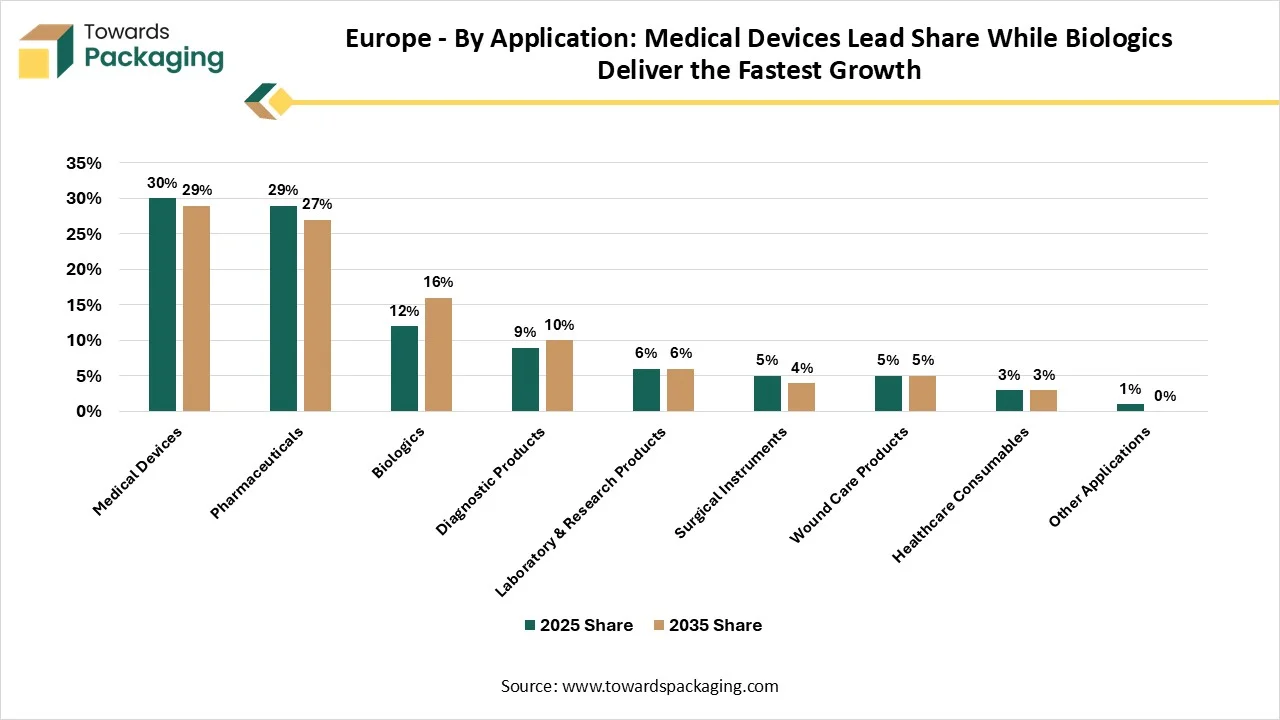
Medical devices lead the Europe bio-medical packaging market with a 30% share in 2025. The need for unique device identification and the rise in infection-control protocols increase the use of bio-medical packaging. The rise in joint replacement devices and decentralized treatment trends increases the use of bio-medical packaging. Pharmaceuticals held a 29% share in the market in 2025. The high use of biologic drugs and expansion of specialized cold-chain systems increase the use of bio-medical packaging. The adoption of temperature loggers and the rise in prescribed drug consumption increase the use of bio-medical packaging. Biologics are expected to grow at the fastest CAGR of 10.7% in the market during the forecast period. The explosion of trace contaminants in biologics and the growth in monoclonal antibodies increase the use of bio-medical packaging. The prevalence of oncology treatments and complexity in biologic formulas increase adoption of bio-medical packaging.
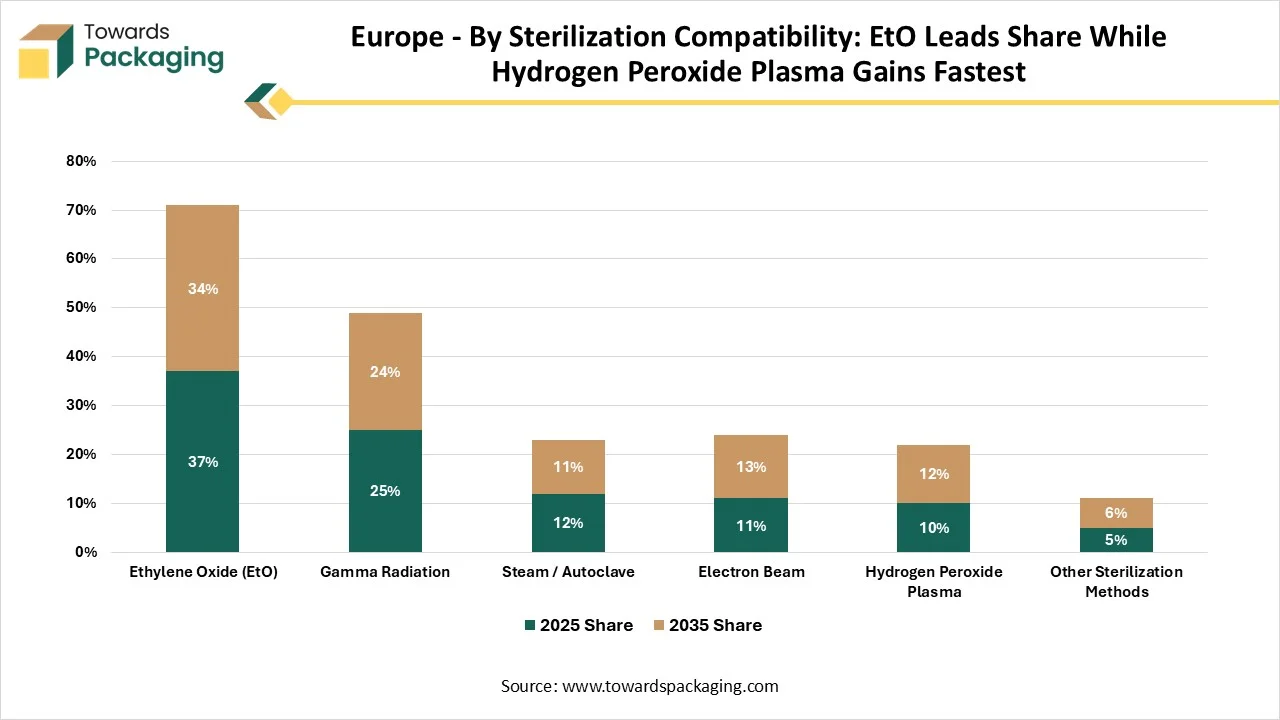
Ethylene Oxide dominated the Europe bio-medical packaging industry with a 37% share in 2025. The rise in complex medical packaging and low-temperature medical processing increases the use of ethylene oxide. European hospital safety demand and the development of delicate polymer devices increase the use of ethylene oxide. Gamma radiation held a 25% share in the market in 2025. The focus on avoiding harmful leftovers and preventing heat damage in delicate plastic trays increases the use of gamma radiation. The focus on maintaining sterility of medical items and the use of single-use tools in hospitals increases adoption of gamma radiation. Deep penetration power and advanced material compatibility of gamma radiation boost the growth. Hydrogen peroxide plasma is growing with the fastest CAGR of 9.5% in the market during the forecast period. The rise in sensitive biomedical packaging and focus on avoiding long aeration periods increases use of hydrogen peroxide plasma. The low-temperature processing and rapid turnaround in hydrogen peroxide plasma boost the growth.
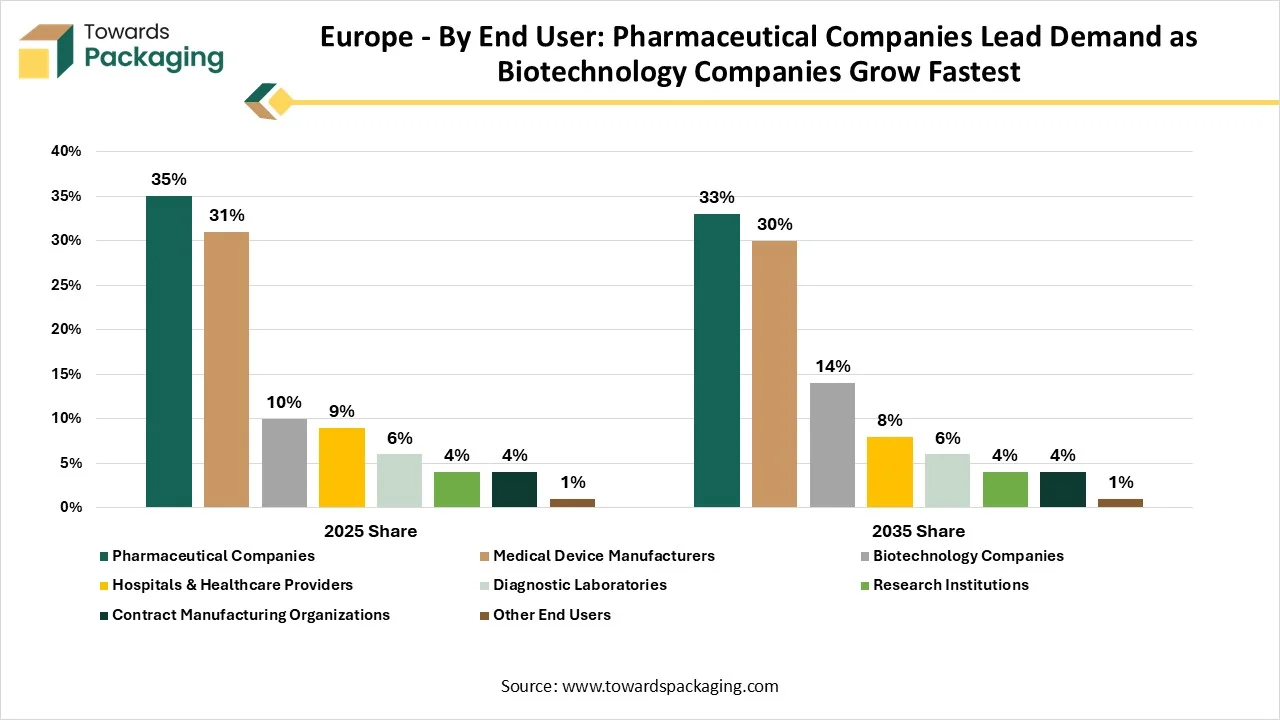
Pharmaceutical companies dominated the Europe bio-medical packaging market with a 35% share in 2025. Pharmaceutical companies focus on the Falsified Medicines Directive, and stricter GMP standards increase the use of bio-medical packaging. Manufacturing of temperature-sensitive biosimilars and consistent drug production increases adoption of bio-medical packaging. Medical device manufacturers held a 31% share in 2025. Manufacturing of implant devices and miniaturization of medical devices increases use of bio-medical packaging. Higher volumes of surgical kits and complex electronic implants increase adoption of bio-medical packaging. Biotechnology companies are expected to grow with the fastest CAGR of 11% during the forecast period. The cold-chain protection demand and custom container solution requirements in cell therapies increase the use of bio-medical packaging. The medical compliance rules and high market demand for mRNA vaccines increase adoption of bio-medical packaging.
According to research, Europe bio-medical packaging market is expanding rapidly due to the rise in vaccines, stringent infection control regulations, eco-friendly transition, and cold-chain innovations. Europe held the second-largest share in the global bio-medical packaging market in 2025. Bio-medical packaging includes smart packaging, cold-chain packaging, and sterile barrier packaging, which drive growth. The leading Europe bio-medical packaging providers like Gerresheimer AG, Nolato AB, Amcor plc, and Scott AG support the market growth.
By Packaging Type
By Product Type
By Material
By Packaging Function
By Application
By Sterilization Compatibility
By End User
Countries



















Principal Research Analyst
Vidyesh Swar is a Senior Research Analyst at Towards Packaging, bringing over 4 years of dedicated expertise in market intelligence and strategic analysis across the dynamic world of packaging technologies and solutions.
Learn more about Vidyesh Swar

Reviewed By
Aditi Shivarkar, with 14+ years in packaging market research, specializes in food, beverage, and eco-friendly packaging. She ensures accurate, actionable insights, driving Towards Packaging Analytics & Consulting 's excellence in industry trends and sustainability.
Learn more about Aditi Shivarkar

Europe Bio-Medical Packaging Market
 Table of Content

 Download Sample
 Schedule a Meeting