


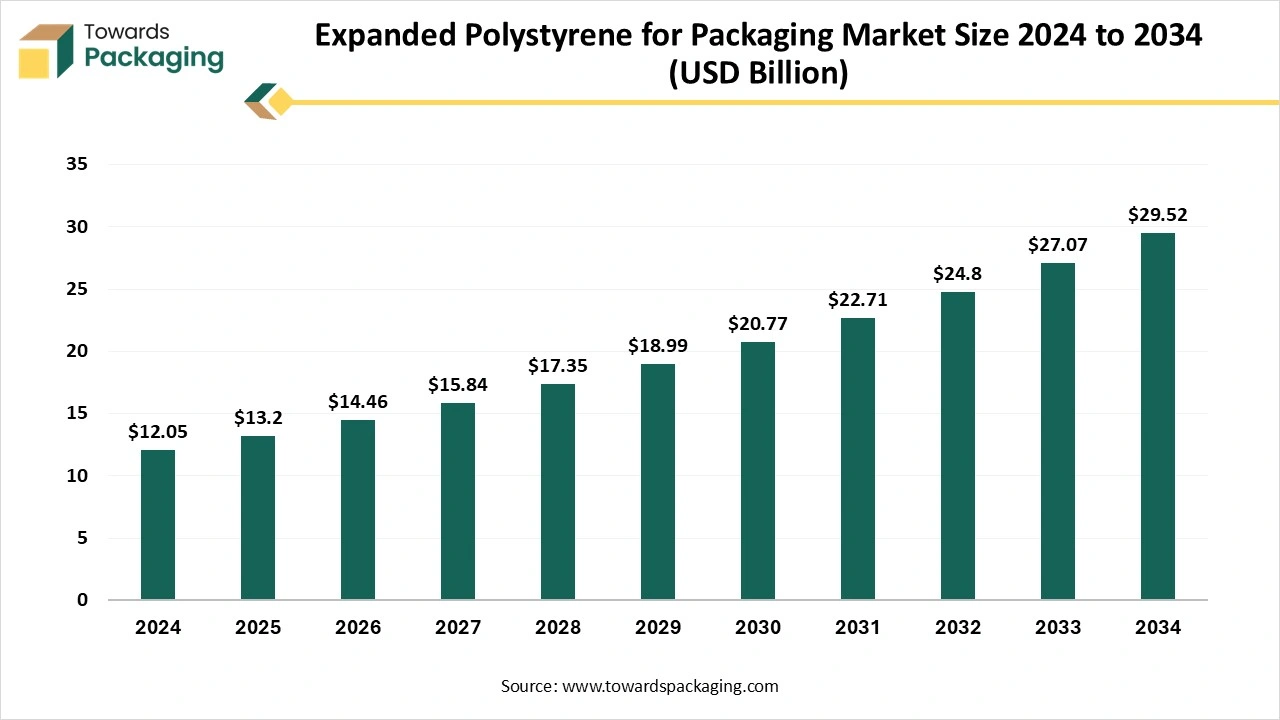
The expanded polystyrene for packaging market is forecasted to expand from USD 14.46 billion in 2026 to USD 32.80 billion by 2035, growing at a CAGR of 9.53% from 2026 to 2035.
The market is segmented into white EPS (62% share in 2024) and grey EPS (38% share), with grey EPS growing fastest at 11.2% CAGR. In applications, foam coolers account for 34% of global volume, followed by trays & clamshells at 27%, and protective blocks at 22%. End-use shows food & beverages holding 41% share, and healthcare increasing from 13% in 2024 to 19% by 2034.
In the MEA region, future demand for EPS packaging is expected to rise with the growth of e-commerce, modern retail, and expanding cold chain logistics for food and pharmaceuticals. Because of EPS's lightweight insulating and protective qualities, which lessen damage during long-distance transportation, businesses will use it more frequently. Growing investments in industrial projects, logistics corridors, and infrastructure will encourage the use of EPS, and companies that care about the environment will pay more attention to sustainable and recyclable EPS grades
UAE Expanded Polystyrene for Packaging Market Trends:
In the UAE, demand for EPS packaging will grow strongly because of the nation's role as the Gulf region's center for trade and logistics. The use of insulated and shock-resistant EPS solutions will be fueled by the growing flow of perishable goods, electronics, and pharmaceuticals. Due to EPS's affordability and effectiveness in safeguarding goods during transportation, retailers and distributors will also favor it. In keeping with the UAE sustainability initiatives eco eco-friendly and recyclable EPS variants will be gradually adopted.
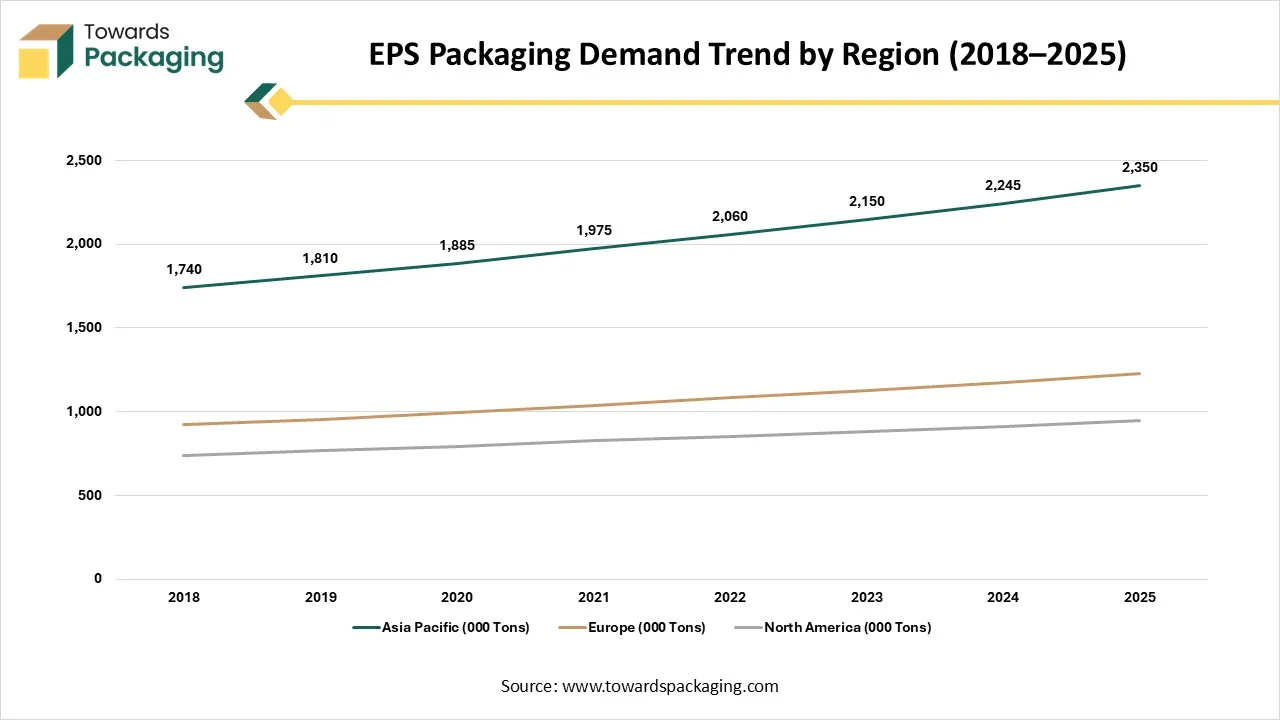
| Year | Asia Pacific (000 Tons) | Europe (000 Tons) | North America (000 Tons) |
| 2018 | 1,740 | 920 | 740 |
| 2019 | 1,810 | 955 | 768 |
| 2020 | 1,885 | 995 | 792 |
| 2021 | 1,975 | 1,036 | 825 |
| 2022 | 2,060 | 1,083 | 854 |
| 2023 | 2,150 | 1,128 | 882 |
| 2024 | 2,245 | 1,173 | 910 |
| 2025 | 2,350 | 1,225 | 945 |
Expanded polystyrene (EPS) is a rigid foam material that is widely adopted due to its lightweight nature. It is a material extensively used in the electronics packaging and construction sectors, as these are energy-efficient insulators as well as a cost-effective solution available in the packaging industry. Its cushioning nature provides extra protection during the transportation of shock-sensitive materials and ensures safe delivery of products without any damage.
Expanded polystyrene is made up of solid beads of polystyrene, and its compression resistance is suitable for the stackable packaging of goods. It helps to maintain the freshness of the products without causing any chemical damage, which attracts a wide number of pharmaceutical as well as chemical companies. These packages provide enhanced quality moisture protection as well as thermal protection, which makes it the most preferable option in the packaging industry.
| Metric | Details |
| Market Size in 2025 | USD 13.20 Billion |
| Projected Market Size in 2035 | USD 32.80 Billion |
| CAGR (2026 - 2035) | 9.53% |
| Leading Region | Europe |
| Market Segmentation | By Product, By Application, By End-Use and By Region |
| Top Key Players | Kaneka Corporation, Fortifori Plastics P Ltd., Infinite ProPack Pvt Ltd, NOVA Chemicals Corporation, B.M. Insulations Private Limited, BASF SE |
Growing Demand for Versatile and Sustainable Packaging
The growing demand for electronic equipment and continuous advancement in these devices has influenced the demand for packaging with enhanced safety, which helps in the transportation of the products and increases the accessibility of the products. Only 2% of polystyrene is used in the process of manufacturing process of these packaging has influenced the growth of sustainable packaging with a reduced carbon footprint.
Innovation in Safe Transportation of Products
The constant innovation in the packaging industry has influenced the ecommerce and packaging industry to raise the standard of the packaging of products and make it easy for brands to transport products. The growing demand for cost-effective packaging foams that provide enhanced protection to delicate electronics products, with the growing demand for miniature electronic devices, has influenced the development of this market.
Retail and Food Industry Adoption
FMCG companies, particularly in the food, beverage, and cosmetics sectors, are embracing upcycled packaging to meet ESG targets. Brands like Nestlé and L’Oréal are exploring upcycled inputs for secondary and primary packaging
Enhanced Recyclability Option and Government Regulations for the Packaging Industry
The rising recyclability options for packaging products have influenced this market as an eco-friendly solution with several other benefits has raised the demand for such expanded polystyrene packages.
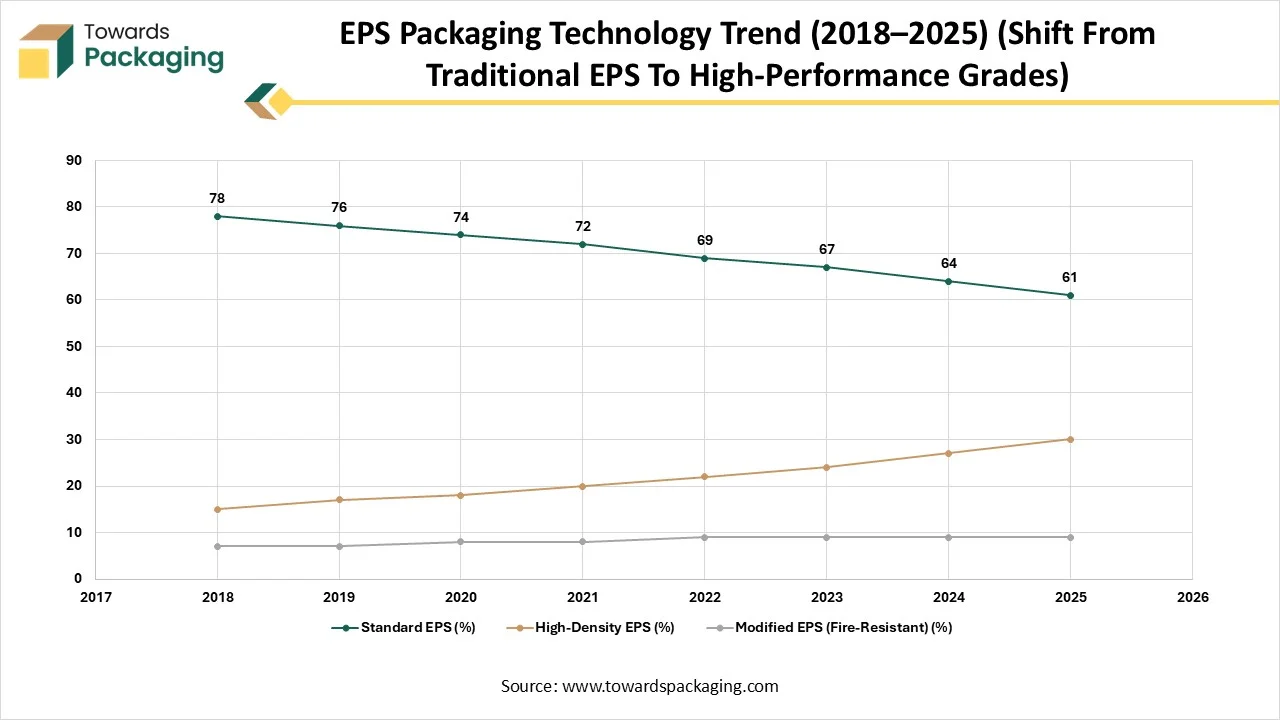
| Year | Standard EPS (%) | High-Density EPS (%) | Modified EPS (Fire-Resistant) (%) |
| 2018 | 78 | 15 | 7 |
| 2019 | 76 | 17 | 7 |
| 2020 | 74 | 18 | 8 |
| 2021 | 72 | 20 | 8 |
| 2022 | 69 | 22 | 9 |
| 2023 | 67 | 24 | 9 |
| 2024 | 64 | 27 | 9 |
| 2025 | 61 | 30 | 9 |
AI has a significant role in the advancement of the expanded polystyrene for packaging market as it helps in the optimization process while manufacturing these packages to ensure the authenticity of the raw materials used, which enhances the reliability of the brands on this market. By using technologies such as machine learning and robotics, it has become easy for manufacturing companies to analyse the market demand and avoid the surplus production of packages. It helps to reduce the charges by reducing the man-power requirement for repetitive work. These advanced technologies are utilized for detecting errors during the production process. It is utilized to enhance the design of the packages as well as biodegradability due to growing ecological concerns among people.
| Future Demand Factor | Description | Impact Ahead |
| Growth of E-commerce & Home Deliveries | Rising shipments of electronics, fragile goods, and perishables increase the need for shock-proof, lightweight packaging. | Higher EPS consumption for protective and insulated packaging. |
| Expansion of Cold-Chain & Pharma Logistics | Vaccines, diagnostics, and temperature-sensitive goods rely heavily on EPS boxes and insulated containers. | Strong demand for EPS-based thermal packaging solutions. |
| Rapid Rise in Consumer Electronics & Appliances | More gadgets and appliances require strong cushioning and low-cost protection during transport. | Steady growth in molded EPS packaging blocks and panels. |
| Shift Toward Cost-Efficient Packaging | EPS remains cheaper and lighter than many alternatives, helping reduce freight costs. | Increased adoption in price-sensitive and bulk shipment sectors. |
| Advancements in EPS Recycling | Improved collection and recycling technologies make EPS more acceptable in sustainability-focused markets. | Wider use of recyclable EPS in retail, FMCG, and electronics packaging. |
Rising Online Retailing and Cost-Effectiveness
The rising online retailing sector has significantly influenced the growth of the expanded polystyrene for packaging market, with the growing ecommerce platforms attracting online shopping, which raises the concern for effective packaging of the products. Expanded polystyrene is considered to be an effective solution as these is lightweight, capacity to withstand adverse conditions, has cushioning ability, and many such properties have increased the demand for this market.
Online suppliers highly rely on EPS for enhancement in the packaging quality of the products. The versatility of expanded polystyrene packaging permits the personalisation of packaging resolution to accommodate several product sizes and shapes, giving an affordable and effective means for the safety of products at the time of transportation. As the online shopping trend is rising worldwide, the demand for EPS packaging is also growing significantly.
The accessibility and convenience provided by e-commerce websites have reshaped the habits of customers, resulting in high online purchases in various product categories. Therefore, online retailers are looking for reliable packaging solutions that can fulfil the strict requirements of the distribution market. It maintains the products against stacking, temperature differences, and rough handling at the time of transportation.
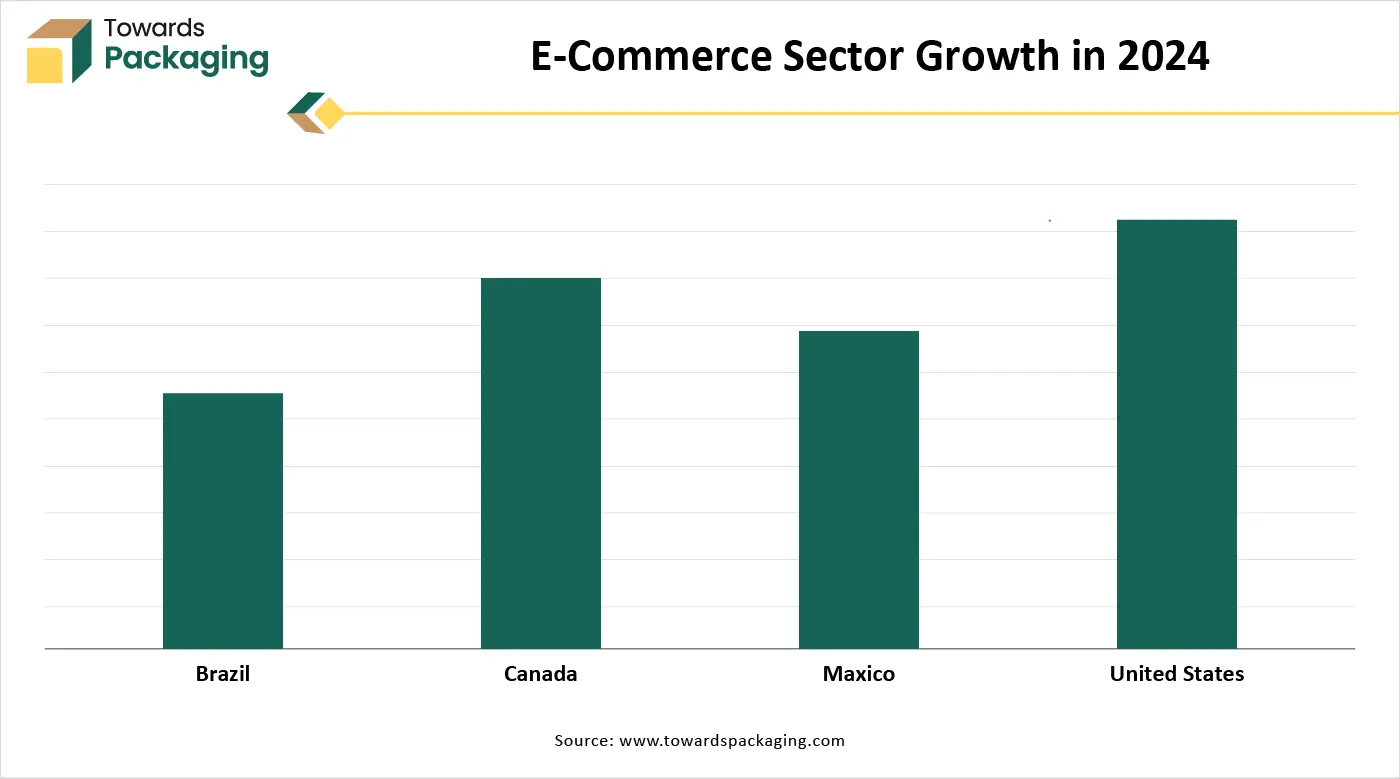
(Source: JP Morgan)
Limited Biodegradability and Raw Material Price Volatility
The limited biodegradability has hindered the growth of expanded polystyrene for the packaging market. It is generally known as Styrofoam, which is manufactured from petroleum-based resources, and it is well-known for its slow decomposition. The low decomposition rate has a negative effect on the packaging market. There is a constant search for an alternative option for packaging due to limited biodegradability options. The imperious to report the limited biodegradability of the expanded polystyrene for packaging continues, driving continuous efforts to revolutionize, implement, and educate sustainable packaging processes on a worldwide scale.
Growth of Bio-based Substitutes
The growth of bio-based substitutes for expanded polystyrene for the packaging market signifies an important step in the direction of addressing ecological apprehensions related to traditional EPS for packaging resources. Bio-based substitutes are derived from renewable materials such as biopolymers, agricultural waste, or plant-based materials, contributing a more environment-friendly and sustainable choice for the packaging process. This move in the direction of bio-based substitutes is driven by the rising consciousness of the ecological influence of traditional packaging resources and the necessity for more sustainable resolutions across trades.
Bio-based substitutes for these packaging are increasing traction because of their decreased carbon footprint and capacity for compostability or biodegradability. Unlike old-style expanded polystyrene, which is extracted from fossil fuels and other non-renewable materials, bio-based substitutes use renewable feedstocks, thus dropping dependency on limited resources and reducing greenhouse gas releases. Bio-based resources propose the possibility for end-of-life choices such as recycling or composting, further offering towards the circular economy and reducing waste generation.
The growth of bio-based substitutes for expanded polystyrene for packaging offers opportunities for collaborations and innovation across the distribution chain. Producers are capitalizing on research and development to generate bio-based resources with properties comparable to traditional expanded polystyrene, safeguarding compatibility with present packaging procedures and performance necessities. Moreover, association with raw resource suppliers, packaging messengers, and end-users is important to confirm the successful acceptance and execution of bio-based substitutes in the expanded polystyrene for packaging market.
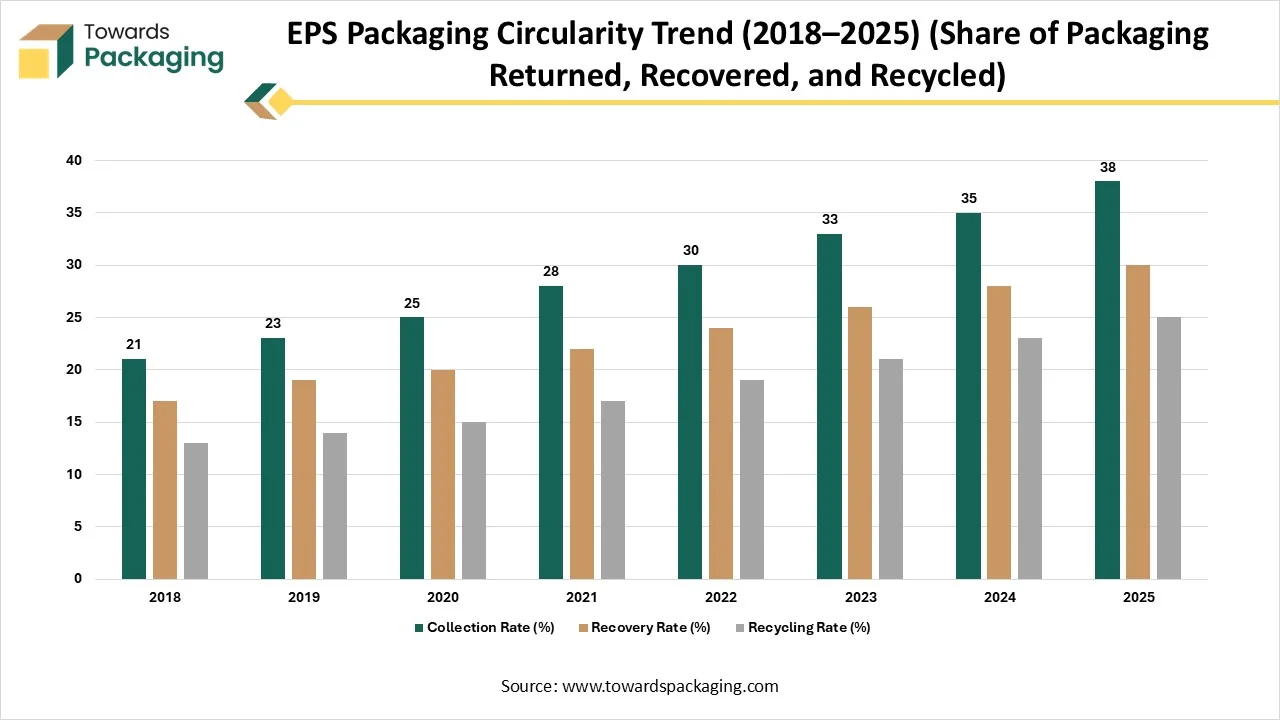
| Year | Collection Rate (%) | Recovery Rate (%) | Recycling Rate (%) |
| 2018 | 21 | 17 | 13 |
| 2019 | 23 | 19 | 14 |
| 2020 | 25 | 20 | 15 |
| 2021 | 28 | 22 | 17 |
| 2022 | 30 | 24 | 19 |
| 2023 | 33 | 26 | 21 |
| 2024 | 35 | 28 | 23 |
| 2025 | 38 | 30 | 25 |
White foam is considered a highly flexible material used for the packaging of products along Due to their insulating, shock-absorbing, and light nature, these materials are widely used in the market. This product type is highly used by the food and beverage industries as its thermal stability allows the transportation of perishable materials. On the other hand, the grey segment will grow rapidly in the market during the forecast period of 2024 to 2034. It is widely accepted due to the high insulation power of the packaging products. In grey expanded polystyrene, due to the presence of graphite, the insulation property is enhanced.
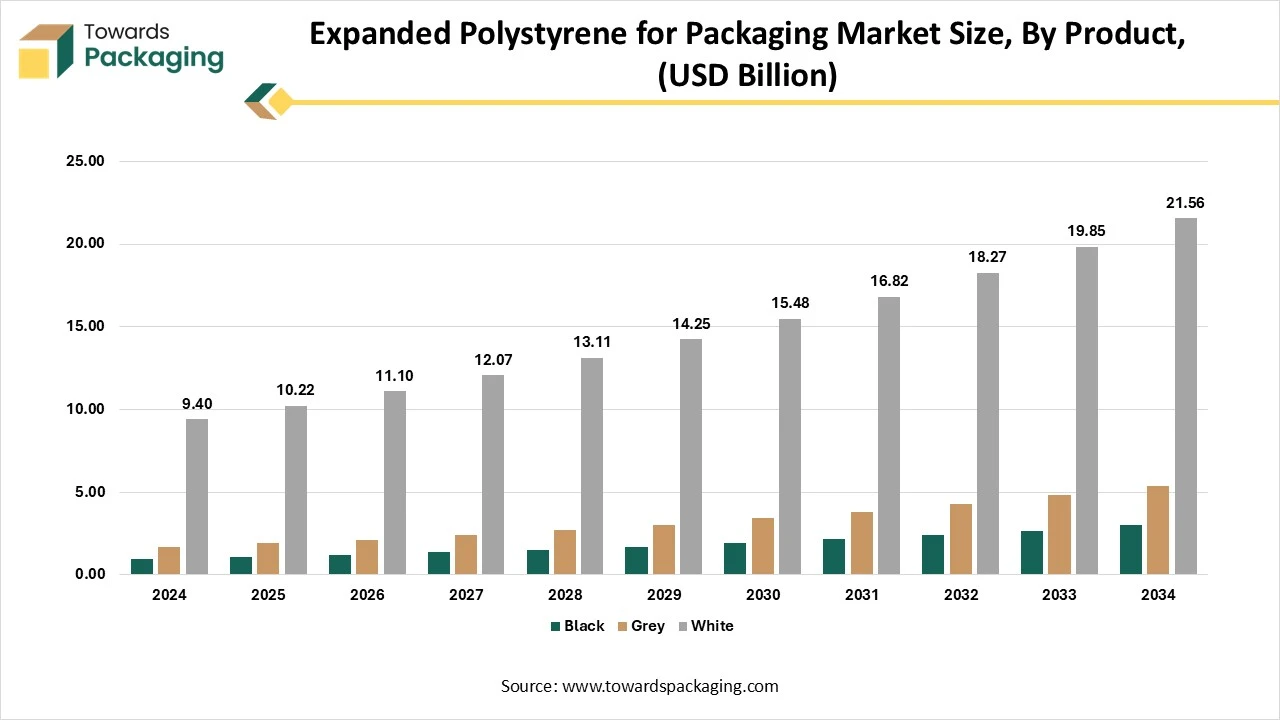
Foam coolers are used in huge quantities to transport materials that require temperature controlling system, such as pharmaceutical products, frozen foods, dairy products, and seafood. Rising demand for ready-to-eat food products has influenced the demand for these packages. Similarly, the tray and clamshells segment is anticipated to grow with the highest CAGR in the market during the studied years. These are used to keep food products warm and ready to consume. Such containers prevent the leakage of food products and are used for quick service in restaurants.
The food and beverage segment registered its dominance over the expanded polystyrene for packaging market in 2024. Expanded polystyrene is widely used in this industry due to its insulation, packaging, lightweight, and reduced charges. For the storage of milk and other food and beverages, these packages are highly utilized as this type of package is considered to be safe and leak-proof, which prevents spilling of products. The continuous growth in the medical industry has influenced the demand for these packages for the safety of medical equipment. These packages are considered safe for the storage and transportation of the surgical devices.
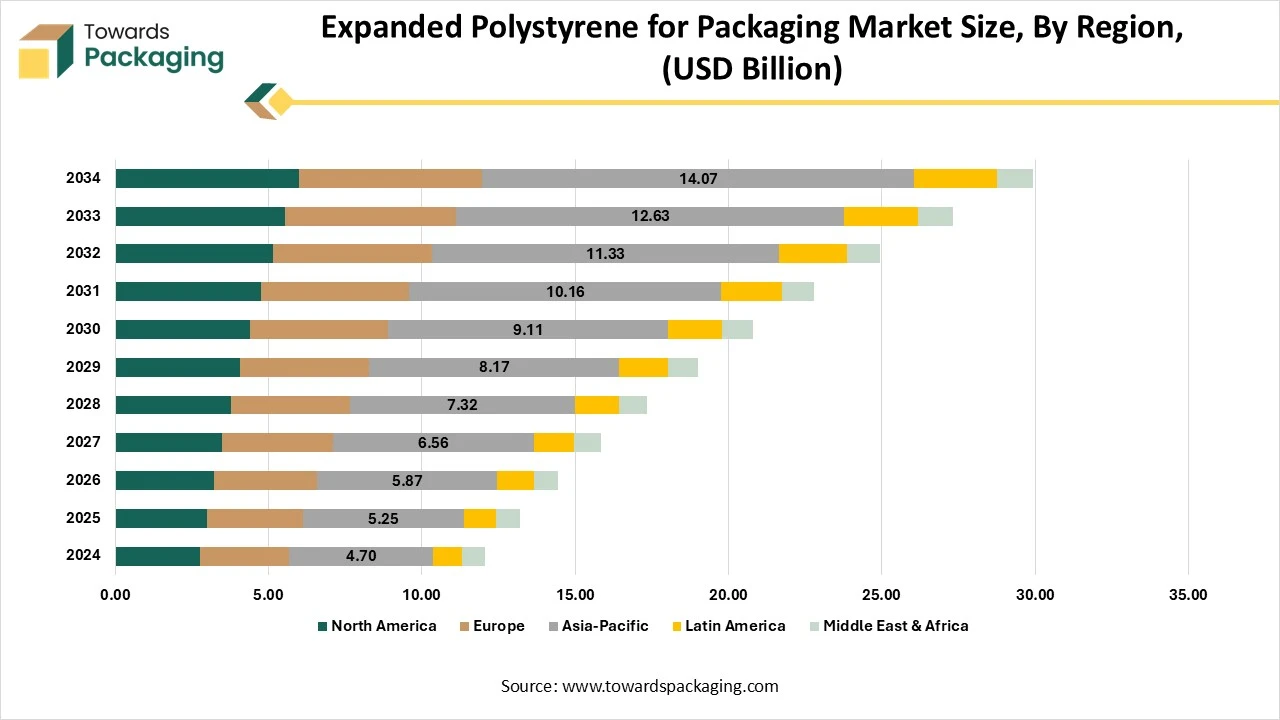
Europe held the largest revenue share of the expanded polystyrene for packaging market in 2024, due to the presence of market leaders in countries such as the U.K., Germany, France, Italy, Spain, and several others. The transportation of fragile components has influenced the demand for such expanded polystyrene packaging. The presence of several market players such as Alpek SAB de CV, Versalis, SABIC, ACH Foam Technologies, Inc., Kaneka, NOVA Chemicals Corporation, and several others has contributed to the continuous innovation of this market.
U.K. Expanded Polystyrene for Packaging Market Trends
The U.K. EPS packaging market remains stable since industries depend on its lightweight stick absorbing and economical characteristics for cold chain goods, electronics, and appliances. Improvements in recyclability and collection initiatives are helping EPS stay relevant despite growing sustainability pressures. Consistent demand is sustained by expanding e-commerce and pharmaceutical logistics.
Asia Pacific will grow rapidly in the expanded polystyrene for packaging market during the forecast period. Countries such as India, China, Japan, South Korea, and others are considered as largest producers as well as consumers of the EPS, which makes it a rapidly growing region. The innovation in the pharmaceutical sector enhanced the requirement for safe transportation and storage of the products. The huge necessity of a temperature-controlled system for healthcare product storage has raised the demand for such packaging in this region.
India Expanded Polystyrene for Packaging Market Trends
In India, EPS packaging demand is growing rapidly because the FMCG, electronics appliances, and e-commerce industries are growing. It is a popular option for mass packaging requirements due to its cost-effectiveness, robustness, and durability. Strong market growth is being supported by investments in EPS recycling and improved production technologies despite regulatory concerns about plastics.
The expanded polystyrene for packaging market in the Middle East and Africa is gradually expanding due to an increase in demand from consumer goods, construction, and food industries. Packaging that is both safe and portable is becoming more and more necessary as cities expand, and infrastructure improves because EPS is lightweight and offers good insulation; it is frequently used for shipping fragile and temperature-sensitive items. The need for these packaging options is anticipated to keep growing as the retail and logistics industries continue to grow.
UAE Expanded Polystyrene for Packaging Market Trends
The UAR is growing quickly, bolstered by robust commercial activity and an advanced logistics infrastructure. Because of its thermal and cushioning qualities, EPS is being used to transport food, electronics, and medical products in a safe manner. Demand is also rising as food delivery services and online shopping become more popular. Simultaneously, there is a slow transition to more environmentally friendly methods, promoting the use of recyclable EPS materials.
The Latin American market is developing steadily with growing demand for packaged goods. The material is favored due to its low cost and capacity to safeguard goods during long-distance regional transportation. Expanding supply chain and retail networks are facilitating the broader use of EPS packaging; however, the market is starting to be impacted by growing environmental concerns, which has led to an increased emphasis on recycling and sustainable alternatives.
Brazil's Expanded Polystyrene for Packaging Market Trends
Brazil plays a major role in the regional EPS packaging market, with strong demand coming from its food and beverage sector. EPS is frequently utilized because it guarantees safe delivery and helps preserve product quality, particularly in variable weather. Its use is increasing due to the growth of supermarkets and the consumption of packaged foods. In the meantime, efforts toward recycling and more environmentally friendly packaging options are being encouraged by growing awareness of the impact on the environment.
Innovation is enhancing expanded polystyrene packaging by making it stronger, lighter, and more efficient while reducing material usage. Better product fit and enhanced shock absorption are made possible by advanced molding and design technologies guaranteeing safer goods transportation. Environmental issues are being addressed by advancements in recyclable materials, the use of recycled content, and eco-friendly substitutes. EPS packaging is now more dependable and sustainable for contemporary demands thanks to improvements in insulation performance, which also support applications like food delivery and cold chain logistics.
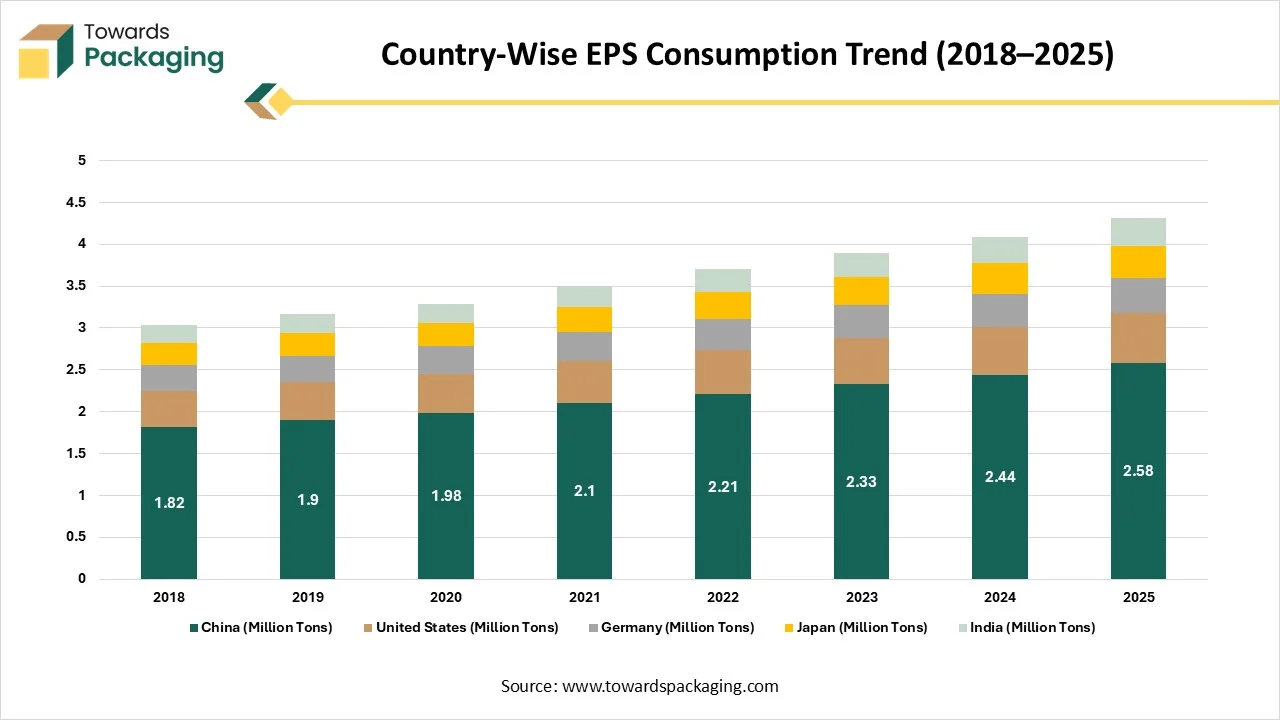
| Year | China (Million Tons) | United States (Million Tons) | Germany (Million Tons) | Japan (Million Tons) | India (Million Tons) |
| 2018 | 1.82 | 0.43 | 0.31 | 0.26 | 0.21 |
| 2019 | 1.9 | 0.45 | 0.32 | 0.27 | 0.22 |
| 2020 | 1.98 | 0.47 | 0.33 | 0.28 | 0.23 |
| 2021 | 2.1 | 0.5 | 0.35 | 0.3 | 0.25 |
| 2022 | 2.21 | 0.53 | 0.37 | 0.32 | 0.27 |
| 2023 | 2.33 | 0.55 | 0.39 | 0.34 | 0.29 |
| 2024 | 2.44 | 0.57 | 0.4 | 0.36 | 0.31 |
| 2025 | 2.58 | 0.6 | 0.42 | 0.38 | 0.33 |
| Year | BASF Production (000 Tons) | SABIC Production (000 Tons) | SUNPOR (000 Tons) | Kaneka (000 Tons) | Synthos (000 Tons) |
| 2018 | 620 | 505 | 318 | 276 | 242 |
| 2019 | 643 | 524 | 331 | 285 | 254 |
| 2020 | 667 | 543 | 346 | 296 | 266 |
| 2021 | 705 | 568 | 362 | 309 | 279 |
| 2022 | 742 | 593 | 379 | 322 | 292 |
| 2023 | 778 | 618 | 398 | 337 | 306 |
| 2024 | 810 | 642 | 417 | 349 | 318 |
| 2025 | 842 | 668 | 438 | 363 | 332 |
By Product
By Application
By End-Use
By Region










Research & Advisory Analyst
Yogesh Kulkarni is an experienced Research Analyst specializing in the packaging sector, with a strong foundation in statistical analysis and market intelligence. He currently contributes his expertise to Towards Packaging.
Learn more about Yogesh Kulkarni

Reviewed By
Aditi Shivarkar, with 14+ years in packaging market research, specializes in food, beverage, and eco-friendly packaging. She ensures accurate, actionable insights, driving Towards Packaging Analytics & Consulting 's excellence in industry trends and sustainability.
Learn more about Aditi Shivarkar


Expanded Polystyrene for Packaging Market
 Table of Content
 sales@towardspackaging.com
 +1 804-441-9344
 Download Sample
 Schedule a Meeting